


What Do You Need For Easy Cementation?
Isolation and cement selection are the two key factors that will dictate the success of your cementation process. Mastering isolation is simpler, relying on dental skill and with few methods to choose from. On the other hand, selecting the best cement for you involves many factors, including restorative material, substrate, indication, and more.
Even just navigating these variables is difficult. The saturated dental cement marketplace only makes it harder. With so many dental cements to choose from, finding the right choice is overwhelming.
How Has Cementation Changed?
As medical technology continues to advance and the needs of restorations have changed, cementation and bonding materials have to continually evolve to meet modern needs. As a result of this, there is now an overabundance of cement types available – many with only very small differences between them. Others require additional conditioning and bonding agents, while some are only suitable for one specific indication or situation.
There is a good side to this variety of choice, as it is likely that there is the perfect cement for any and every indication out there. However, the problem is that this has also led to a confusion of choice, and dentists ending up with a huge inventory of cements with overlapping indications and dawning expiration dates.
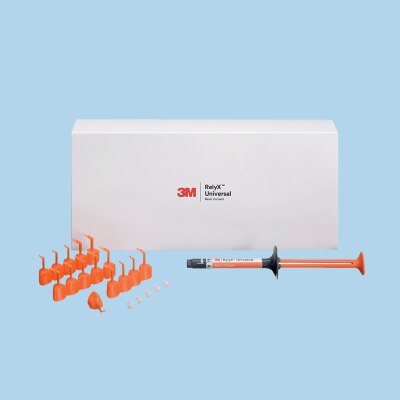)
3M™ RelyX™ Universal
RelyX Universal Resin Cement works both as a standalone, self-adhesive cement and as an adhesive cement when combined with Scotchbond universal
Clinical Case Study
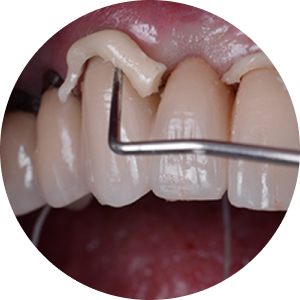
Remove excess easily after tack curing.
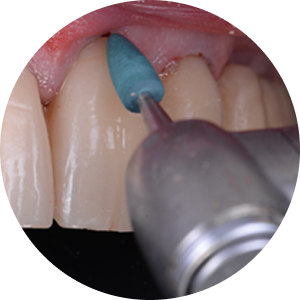
This ensures clean margins after polishing.
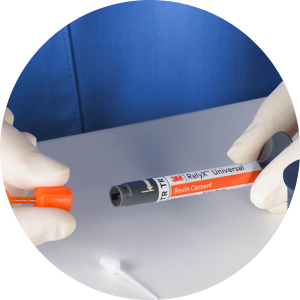
The self-sealing automix syringe allows for hygienic storage. The cement can be used with or without the dedicated 3M™ Scotchbond™ Universal Plus Adhesive.
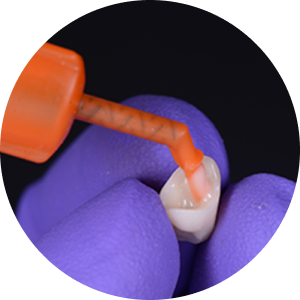
The 3M™ RelyX™ Universal Micro Mixing Tip also minimises material waste.
Share


Never Miss Out
Sign-up to our mailing list and keep up to date with the latest offers and news.Related Articles
)
CQC Updates 2026
Stay informed on the latest CQC updates for dental professionals, covering registration, mythbusters, non-rated services, and assessment frameworks.

)
Supporting Hygiene Appointments
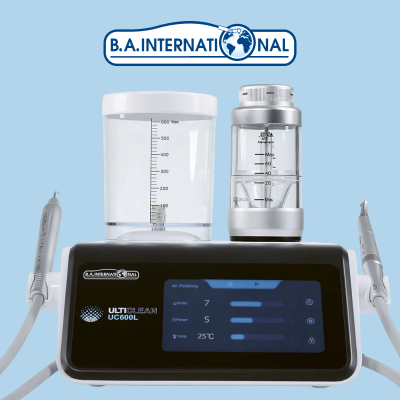
Discover how the BA International Ulticlean UC600L can help you deliver comfortable, flexible and efficient hygiene appointments for modern patients.
)
SafeMatrix Bands
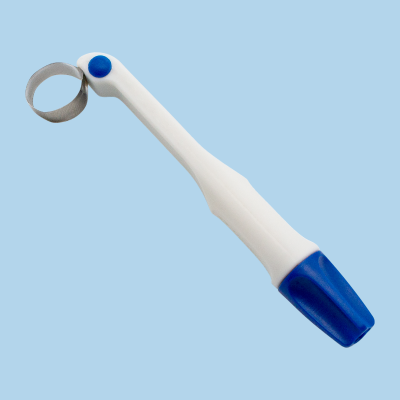
Transform your day-to-day restorative workflow with SafeMatrix – the single-use matrix bands you can rely on.
)
Digital Restoratives From GC
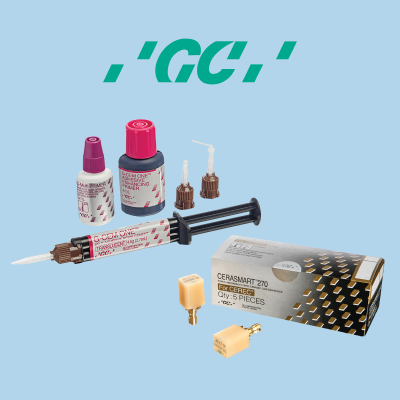
Streamline digital restorative workflows in your practice with reliable solutions from GC, including CERASMART270 blocks and G-CEM ONE™ cement.
)
Oral Health Awards 2026
The Association of Dental Education in Europe, the European Dental Students’ Association, and Henry Schein grant the 2026 Oral Health Professional Educators’ Awards.
)
The Key To Staff Retention
Struggling with staff retention? mydentist’s chief clinical officer, Nyree Whitley, gives her advice on how you can attract and keep staff in your dental practice by perfecting your basics.
)
Reducing Endodontic Chair Time
Explore how dental professionals can reduce endodontic chair time without compromising care.
)
Dental Disposables Buying Guide
Discover how choosing dental disposables from Henry Schein can support safer, smarter everyday care, from surgery set-up and treatment to changeover and restocking.
)
AI In Dentistry
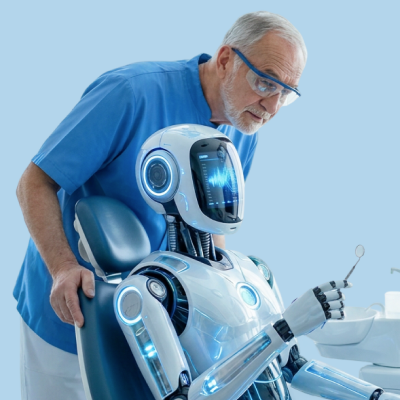
Discover how AI is shaping dentistry, and how Henry Schein can support responsible, human-centred adoption in your practice. Featuring insights from the Trusted Partner Report.
)
Quick Endo Guide
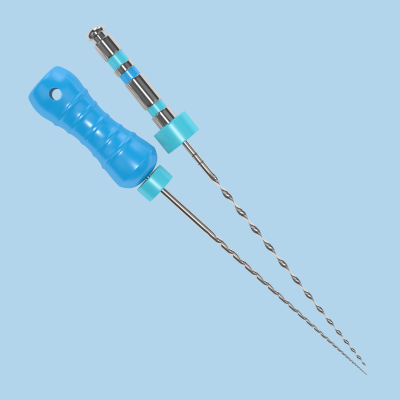
Explore the key steps in the endodontic workflow with our snapshot overview, designed to help dental professionals work efficiently, confidently, and consistently at every stage of treatment.
)
Safeguarding Smiles
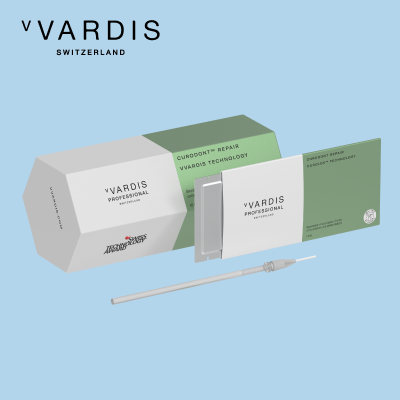
Protect your patients’ oral health today while better positioning them for the future, with minimally invasive preventive products like Curodont® Repair from vVARDIS.
)
Mastering Molars
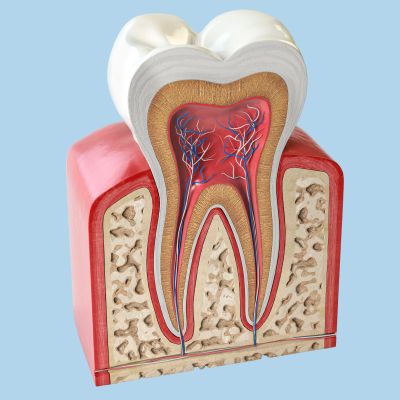
Explore why molar root canals are more complex, from curved canals and MB2 detection to irrigation, instrumentation, obturation, and restoration.