Back
Back


























Gain a concise overview of the endodontic workflow with our 5-minute guide, covering everything from diagnosis and magnification through to shaping, irrigation, obturation, restoration, and retreatment.
Are You Providing The Best Endodontic Care For Your Patients?
As a dental professional, you will already be familiar with the role endodontics plays in preserving natural teeth and supporting long-term oral health.
With high demand for endodontic treatments, having the right workflow and products in place can help you work more efficiently, reduce procedural risk, and support predictable patient outcomes.
Optimising Your Endodontic Workflow With Henry Schein
At Henry Schein, we offer products across the full endodontic workflow, from diagnostic imaging and access instruments to files, irrigation solutions, sealers, gutta-percha, obturation devices, and restorative materials.
Whether you are reviewing one stage of treatment or building a complete workflow, our range is designed to support efficiency, consistency, and clinical confidence.
Plus, our dedicated team of experts are on hand to provide tailored advice and answer any of your questions.
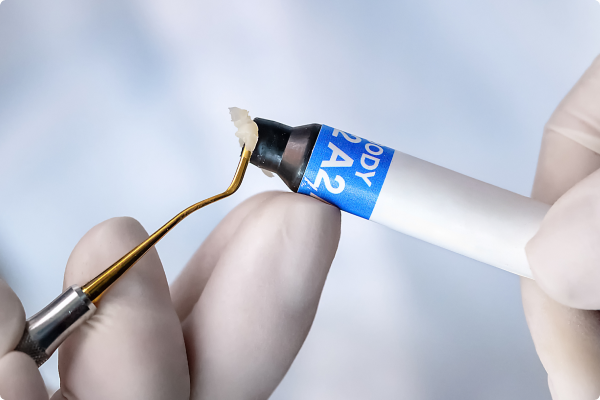
9. Restoration
Endodontic success does not end at obturation. A strong final restoration helps maintain the coronal seal, protect the tooth, and reduce the risk of reinfection or fracture.
Key takeaway: Restoration is essential for long-term success and protecting the remaining tooth structure.
Shop now:

Create a seamless endodontic workflow with our range, including NiTi files, sealers, gutta percha points, drills, and more.

Shop Endodontic Products From Henry Schein
Create a seamless endodontic workflow with our range, including NiTi files, sealers, gutta percha points, drills, and more.
Shop Endodontic Products From Henry Schein
Create a seamless endodontic workflow with our range, including NiTi files, sealers, gutta percha points, drills, and more.
What are the key stages of the endodontic workflow?


Why is diagnosis important in endodontic treatment?
Why is magnification used in endodontics?
What products support canal shaping?
Why is irrigation important in endodontics?
When should clinicians use warm vs cold obturation?