
An informational article which explores the biomimetic approach in dentistry, highlighting its benefits and ways to incorporate it into your dental practice.
The Benefits
By prioritising techniques that retain tooth enamel and dentine, biomimetic dentistry provides a less invasive, lower risk treatment for patients, as well as more aesthetic final restorations.
- Minimally Invasive: Avoiding excessive drilling and full crown preparations, and instead focusing on smaller restorations that preserve more of the natural tooth, the biomimetic approach is less invasive and less painful for the patient.
- Long-Lasting Results: Stronger restorations mean longer-lasting results. By layering materials that mimic natural tooth biomechanics, stress which can lead to cracks or debonding is reduced. Long term, this lowers the risk of fracture, and therefore the need for root canals or extractions.
- Improved Biocompatibility And Aesthetics: With emphasis on materials that closely replicate the natural colour and translucency of teeth, the overall cosmetic results are beautifully lifelike. The use of resin-based or ceramic products offers high biocompatibility.
Biomimetic dentistry isn’t a new concept: in fact, it has been in development for several decades. So why is it now gaining traction?
Embracing The Movement
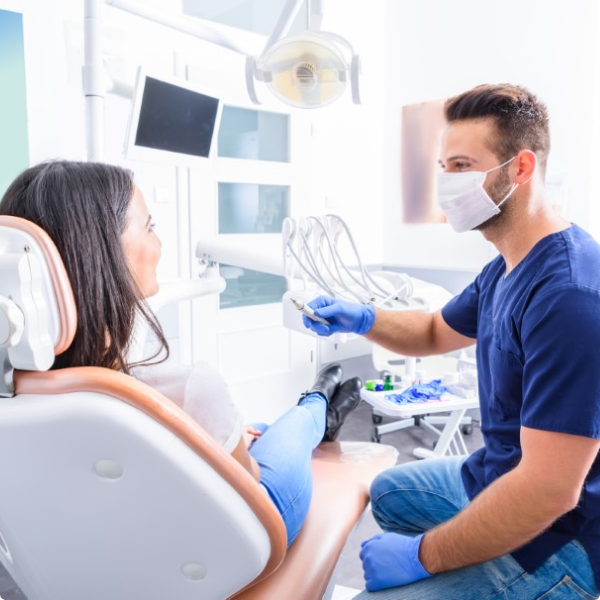
Are you ready to incorporate the biomimetic approach into your dental practice? Understanding the basics is the first step. Getting your patients on board is the second.
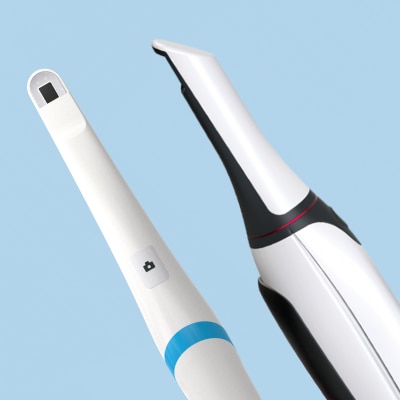
Using patient-friendly language to explain the core principles and benefits of biomimetic dentistry is a straightforward way to educate your patients, but you can take this even further by incorporating the use of intraoral imaging to demonstrate the differences between a traditional and more conservative approach.
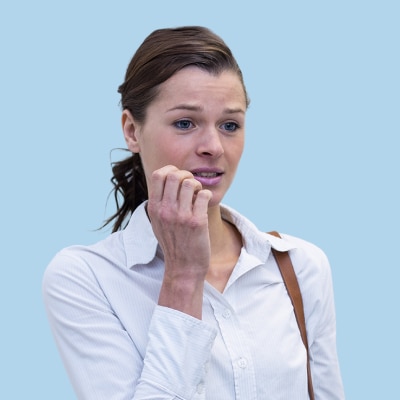
Nervous patients may feel reassured by biomimetic dentistry’s less invasive approach which aims to deliver long-term results that may reduce future complications with the tooth, and therefore the need for additional appointments.

Remineralisation Products
Proper remineralisation of dentine is vital for improving bonding stability and controlling primary and secondary caries. Choosing biomimetic remineralisation products can support natural healing for improved outcomes.
Resin Luting Cements
For indirect restorations, choosing products that allow you to create restorations that mimic the tooth’s mechanical behaviour, while properly transferring forces and protecting the pulp, can help to ensure secure restorations with high bond strength.
Restorative Materials
Opting for low-shrinkage composites that mimic the tooth’s natural aesthetics while remaining strong and reducing stress can help you to deliver long-term, beautiful smiles for your patients, that are more resistant to fractures and wear.
)
Whitening
While some traditional whitening methods can dehydrate or weaken enamel, choosing biomimetic whitening solutions can support enamel protection and reinforcement, while minimising damage to teeth and providing highly aesthetic results.
What is biomimetic dentistry?


Biomimetic dentistry is an approach which focuses on preserving as much of the natural tooth as possible by imitating its natural structure, function, and biomechanics.
What are the benefits of the biomimetic approach in dentistry?
Biomimetic dentistry provides a less invasive, lower risk treatment for patients by focusing on smaller or fewer restorations that preserve the natural tooth. Results are usually highly aesthetic and long lasting due to the use of biocompatible products that deliver strong, lifelike results.
How can I incorporate the biomimetic approach into my dental practice?
Educate patients and staff on the benefits of biomimetic dentistry, and choose strong, biocompatible materials and precise instrumentation to ensure you are preserving as much of the natural tooth as possible.