


1. First Impressions Begin Before the Front Door
The journey to a calm patient often starts long before they sit in the dental chair. The tone of your communications, from reminder texts to phone calls, plays a key role in shaping how patients feel leading up to their visit. Warm, personalised messages can help ease some of the anticipation that builds for anxious patients, and being reminded that their comfort is a priority can be surprisingly powerful. When we’re nervous, what we seek most of all is reassurance.
Using a practice management software like EXACT from Software of Excellence makes this kind of communication seamless. It allows practices to automate appointment reminders and updates, while still keeping the tone personal and supportive. A short message like, “We’re looking forward to seeing you, please let us know if you need anything before your visit,” can go a long way in comforting someone who might be dreading the appointment.
It's also worth ensuring that your front desk team is trained to pick up on the signs of nervousness in phone calls or emails. A calm, empathetic response can set the tone for your patient’s entire perception of your practice.


2. Make the Waiting Area Tranquil
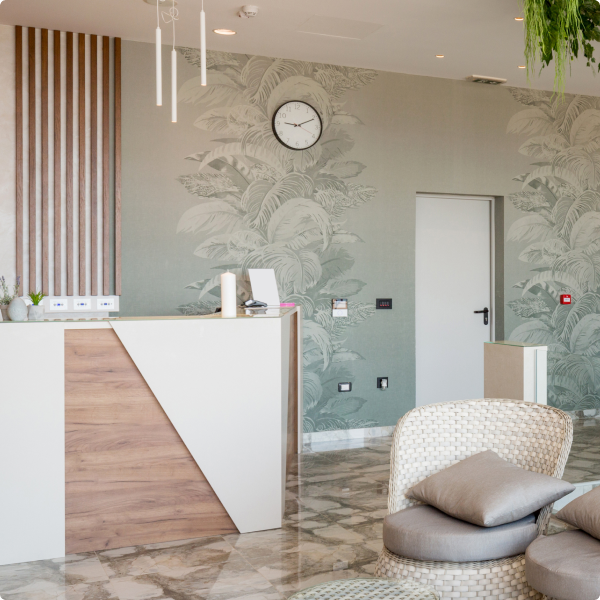
For many patients, anxiety starts to climb the moment they enter the waiting area. While waiting, anticipation grows, often feeding negatively into any anxious feelings the patient may be experiencing.
Creating a space that feel safe, clean, and calm isn’t about spending huge amounts of money, it’s about being intentional. Soft lighting, natural tones, a tidy space, and subtle background music can shift the atmosphere.
Think about how the environment feels to someone who’s already anxious. Are the chairs comfortable? Is there clutter at the reception desk? Could a few well-placed plants or pieces of art introduce a sense of calm?
Waiting time is also a factor, the longer it goes on, the longer unpleasant anticipation has to fester. If delays are unavoidable, let patients know what to expect, give a genuine and honest update on how long the wait is expected to be. It’s not just good service, it reduces uncertainty, which is a major trigger for anxious individuals.
3. Thoughtful Touches in the Treatment Room
Once in the chair, patients want to feel like more than just another case to get through. Offering small, comfort-focused options like neck pillows, stress balls, or even a light blanket can make a world of difference. These gestures are inexpensive, easy to provide, and help shift the patient’s focus away from their fears.
You can also provide tinted glasses to soften overhead lighting, or offer headphones to block out the sounds of equipment. While not every patient will take you up on these extras, the very act of offering them shows empathy, and that alone can make patients feel more at ease.
Staff can reinforce this further by asking simple questions like, “Is there anything we can do to help you feel more comfortable today?” It’s an open door that allows patients to voice their needs, and will help them to feel a greater sense of control.
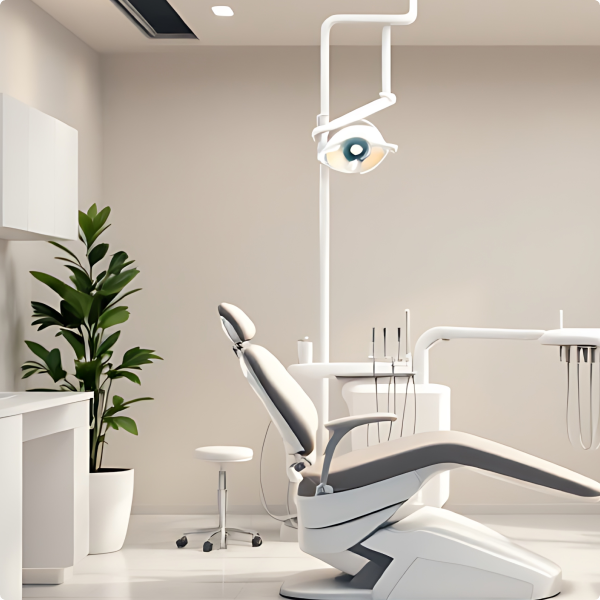
Whether you're setting up a new surgery or upgrading a treatment centre that’s due for a refresh, now is the perfect time to reimagine the patient experience. Thoughtful design and flexible delivery systems can go a long way in creating a space that feels less clinical, and far more calming.
With an extensive range of design options, Anthos empowers dental practices to reduce visual triggers and ease dental anxiety. Create a modern, welcoming environment that not only looks great but also helps patients feel at ease from the moment they walk in.
Also consider whether everything needs to happen in the treatment room. The dental chair itself, and a room full potentially scary equipment, can be intimidating for patients; if you can set up a separate, relaxing space for consultations, this can help set patients at ease, and reduce time in the treatment room.
4. Language Matters
One of the most overlooked aspects of patient comfort is the language you use. Words like ‘drill’, ‘needle’, or even ‘pain’ can increase anxiety just by being heard. Instead, try using neutral or gentle alternatives – ‘we’ll numb the area’, or ‘you might feel some pressure here’ – which keep the tone reassuring without being misleading.
This isn’t about sugar-coating the experience. It’s about being mindful of how language impacts perception, especially for patients who are already on edge.
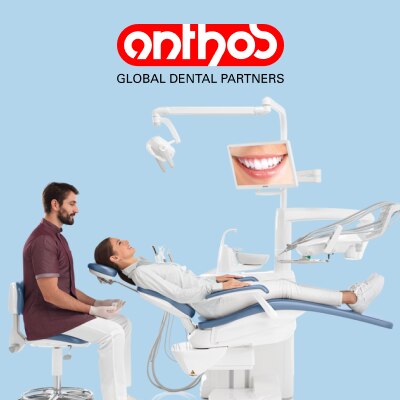)
The Anthos Dental Chair
Exclusive to Henry Schein, find out below 5 reasons why Anthos is a brand to consider when you are investing in a new dental chair or opening a new surgery room.
6. Utilise Your Team
Dental anxiety doesn’t always present as fear. Sometimes it looks like irritability, silence, last minute cancellations, or excessive questions during treatment. Having consistent protocols in place helps make sure that anxious patients aren’t just coping in an appointment, but that they are genuinely supported.
When a patient arrives, whether you do manual or digital check-in forms, you can add a simple tick-box asking a patient if they are experiencing any anxiety around their appointment. This information is then simple to pass on to the clinicians, who will then know that they need to take any steps they can to ensure comfort.
You can also go the extra mile and keep records of patient preferences and past experiences. That way, if a patient has told you in the past that they prefer a quiet treatment room or to wear headphones, that preference and be remembered, respected, and catered to each time.


Never Miss Out
Sign-up to our mailing list and keep up to date with the latest offers and news.Share


You May Also Like
)
CQC Updates 2026
Stay informed on the latest CQC updates for dental professionals, covering registration, mythbusters, non-rated services, and assessment frameworks.

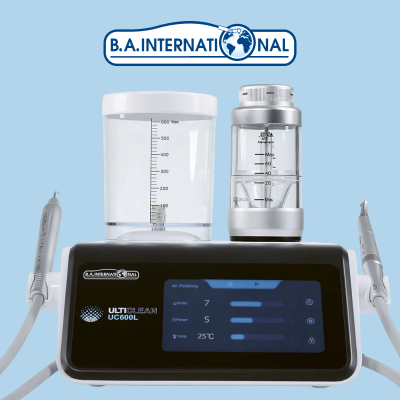)
Supporting Hygiene Appointments
Discover how the BA International Ulticlean UC600L can help you deliver comfortable, flexible and efficient hygiene appointments for modern patients.
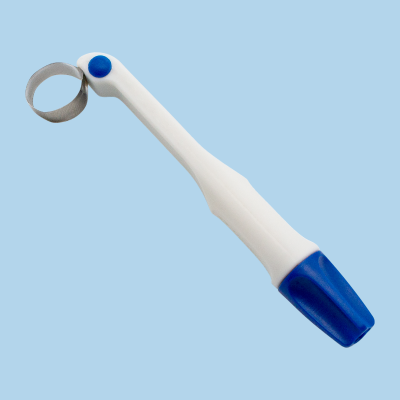)
SafeMatrix Bands
Transform your day-to-day restorative workflow with SafeMatrix – the single-use matrix bands you can rely on.
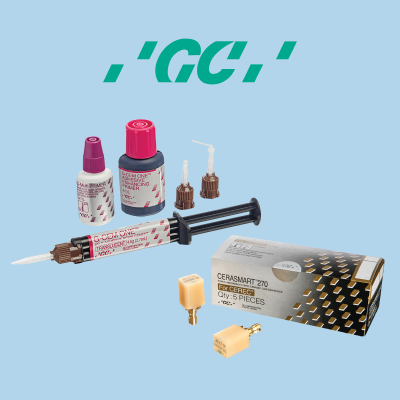)
Digital Restoratives From GC
Streamline digital restorative workflows in your practice with reliable solutions from GC, including CERASMART270 blocks and G-CEM ONE™ cement.
)
Oral Health Awards 2026
The Association of Dental Education in Europe, the European Dental Students’ Association, and Henry Schein grant the 2026 Oral Health Professional Educators’ Awards.
)
The Key To Staff Retention
Struggling with staff retention? mydentist’s chief clinical officer, Nyree Whitley, gives her advice on how you can attract and keep staff in your dental practice by perfecting your basics.
)
Reducing Endodontic Chair Time
Explore how dental professionals can reduce endodontic chair time without compromising care.
)
Dental Disposables Buying Guide
Discover how choosing dental disposables from Henry Schein can support safer, smarter everyday care, from surgery set-up and treatment to changeover and restocking.
)
AI In Dentistry
Discover how AI is shaping dentistry, and how Henry Schein can support responsible, human-centred adoption in your practice. Featuring insights from the Trusted Partner Report.
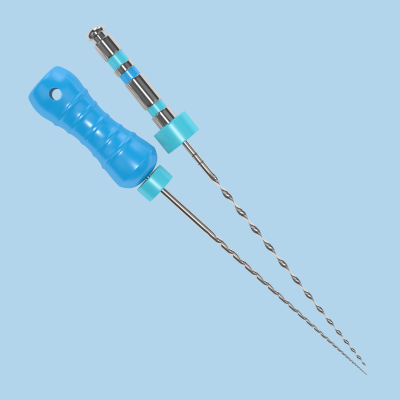)
Quick Endo Guide
Explore the key steps in the endodontic workflow with our snapshot overview, designed to help dental professionals work efficiently, confidently, and consistently at every stage of treatment.
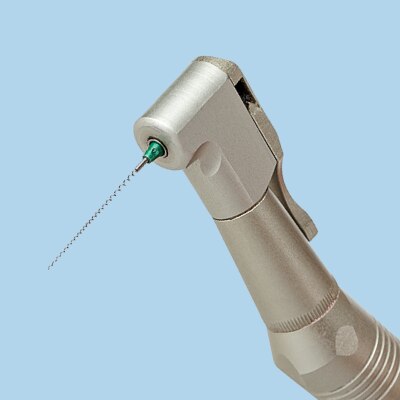)
Ultimate Endo Guide
Ensure your endodontic treatments are well rounded and reliable with our complete step-by-step guide of the endodontic workflow, created to help you achieve the best outcomes for your patients.
)
Safeguarding Smiles
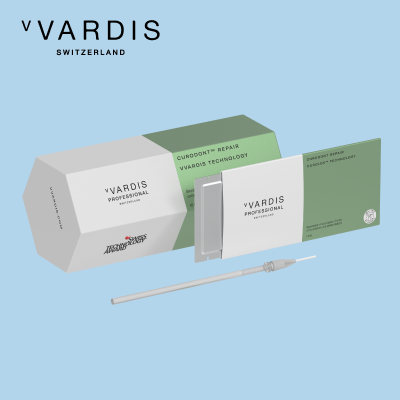
Protect your patients’ oral health today while better positioning them for the future, with minimally invasive preventive products like Curodont® Repair from vVARDIS.