
With many dental professionals struggling with the effects of musculoskeletal disorders due to awkward posture and repetitive movement, learn how you can manage MSD symptoms by incorporating regular breaks, a suitable surgery layout, and ergonomic instrumentation and seating, and recognising the signs of MSD onset for earlier prevention.
As a dental professional, one of your key focuses is to provide effective treatment for patients while minimising their anxieties and increasing their comfort levels, to deliver the most pleasant experience possible for them. But why are so many dentists and dental hygienists neglecting their own comfort in the process?
With some studies suggesting that musculoskeletal disorders (MSDs) are more prevalent in dentistry than other professions, it may seem like persistent pain is just ‘part of the job’. But it doesn’t have to be.
Musculoskeletal Disorders: An Uncomfortable Pattern In Dentistry
If you are experiencing musculoskeletal pain – particularly in the back, neck, shoulders or wrists – you are not alone. It is estimated that anywhere between 64% and 93% of dental professionals experience work-related pain, with up to 85% of dentists reporting neck pain, and between 60-69.5% of dental hygienists reporting hand or wrist pain1 due to how they map and clean the teeth.
But why is pain so prevalent in dental professionals?
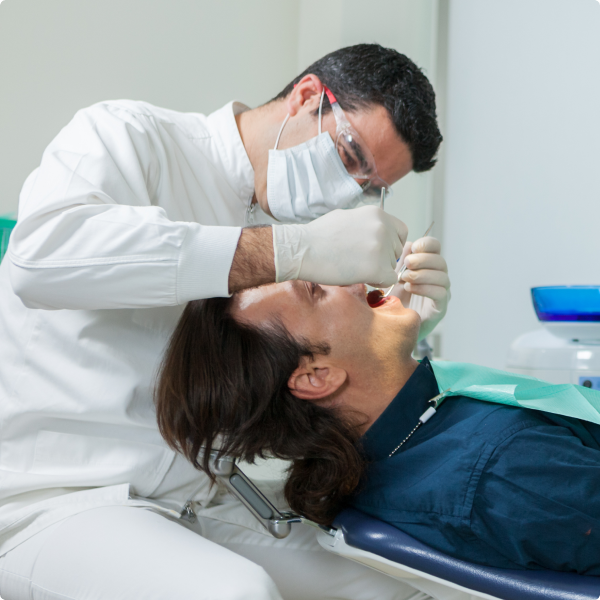
Rethink your dental surgery layout.
Keeping instruments, equipment, and materials within easy reach, and ensuring your workspace is tidy and clutter-free can reduce the need to twist or contort your body awkwardly.
Choose adjustable solutions where you can, such as mobile instrument trays or correctly positioned foot controls, and ensure screens and monitors are positioned at eye level to avoid unnecessary bending of the neck. Move from the 12 o’clock to the 9 o’clock position where possible to obtain direct vision and reduce the need to work indirectly with a mirror.
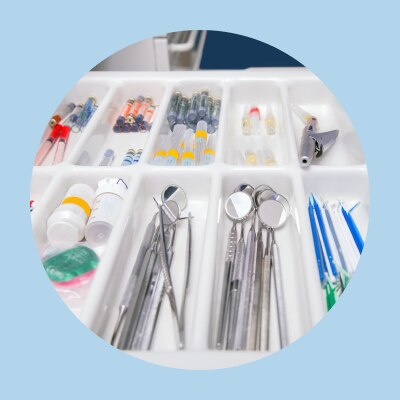
Choose ergonomic dental instruments.
Where possible, opt for lightweight handpieces and instruments with well-balanced weight distribution to avoid unnecessary strain on your hands and wrists. Easy-grip, ergonomic handles can reduce hand fatigue while minimising the risk of slipping during use.
)
Smart Inventory Management
Manage your dental product inventory effectively in your dental practice and avoid wasted spend, procedure delays, and frustrated staff.
Adjust your posture and positioning.
Choosing the correct dental chair is essential for the comfort of both you and your patient. When selecting your chair, consider its positioning within your practice, and how you and other staff will navigate around your patient.
Opting for easy-clean materials is not only a hygienic option, but also reduces the need for laborious cleaning, allowing you to spend time readjusting your posture and stretching overworked muscles instead.
)
Dental Chairs Q&A
HS Equipment Specialist Frankie Robins shares her expert tips on selecting the right dental chair for you and your practice.
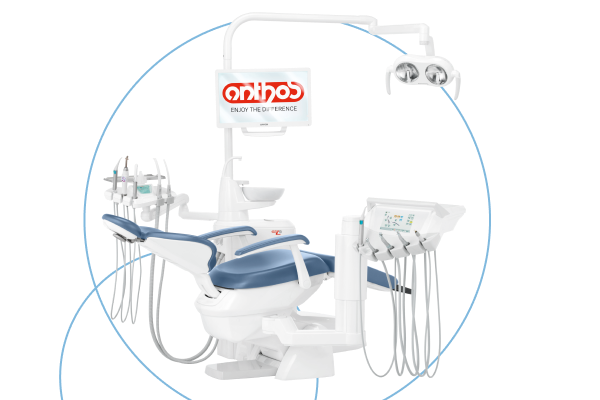
Choose from a range of market-leading dental chairs from trusted manufacturers.

Dental Chairs
Choose from a range of market-leading dental chairs from trusted manufacturers.
Dental Chairs
Choose from a range of market-leading dental chairs from trusted manufacturers.

Henry Schein UK offers a comprehensive range of ergonomic dental stools designed to enhance comfort, posture, and performance throughout the working day.
Dental Stools Designed for Comfort and Support
Henry Schein UK offers a comprehensive range of ergonomic dental stools designed to enhance comfort, posture, and performance throughout the working day.
Dental Stools Designed for Comfort and Support
Henry Schein UK offers a comprehensive range of ergonomic dental stools designed to enhance comfort, posture, and performance throughout the working day.
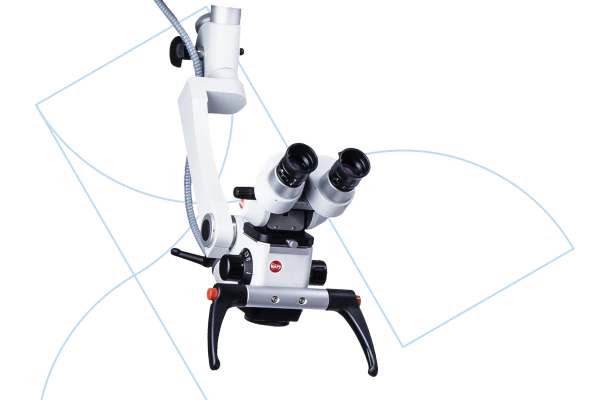
Browse our range of microscopes, designed specifically for dentists.
What are MSDs?


MSD stands for musculoskeletal disorder and is a term that encompasses injuries or conditions that affect the body's muscles, joints, bones, nerves, and related tissues, which can cause pain and discomfort.
Why are dental professionals affected MSDs?
Many dental professionals develop MSDs throughout their career due to poor posture, awkward positioning, and unsuitable working conditions.
How can I reduce the risk of developing an MSD?
Choose ergonomic instruments and equipment that reduce strain and encourage a natural posture. Take regular breaks, incorporate a functional surgery layout with adequate lighting, and take note of any changes to your health or mobility.