Solutions for Posterior Dentition
Bruxism poses various threats, including occlusal trauma and periodontal tissue breakdown2. When the surface of posterior teeth is eroded, it is vital for clinicians to suggest effective restorative solutions that can replace the lost tooth structure. The options are diverse:
- Resin Composites: Often hailed as the first choice for posterior tooth restorations, resin composites offer versatility and a minimally invasive approach3. However, some clinicians express concerns regarding the aesthetics and durability of direct composite solutions – paramount for bruxism patients. Selecting the right resin composite is crucial for achieving long-lasting outcomes.
- Ceramic Reconstructions: These restorations are favoured for their aesthetic appeal. Zirconia ceramics have gained popularity due to their strength and durability4. However, full crowns can be invasive, requiring the removal of up to 75.6% of the original tooth structure5.
- Occlusal Veneers: In cases of less severe attrition, occlusal veneers may be a viable solution. These thin restorations (as little as 0.3mm) can withstand masticatory stress while maintaining aesthetics and facilitating conservative tooth preparation6. However, they demand high technical skill and can present fitting challenges7.
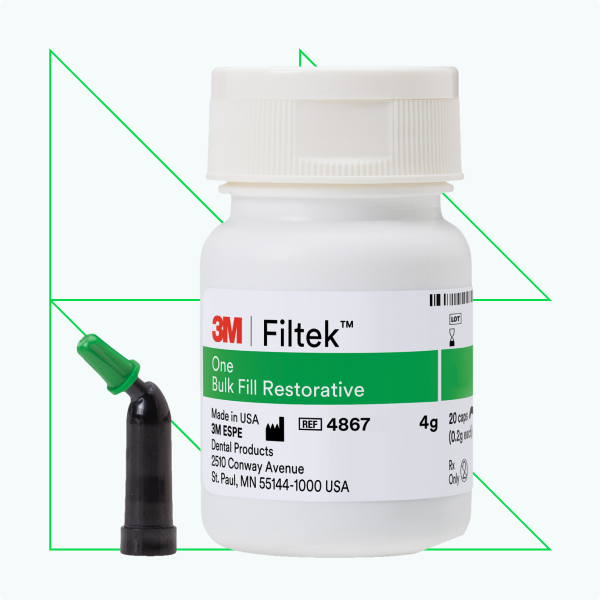
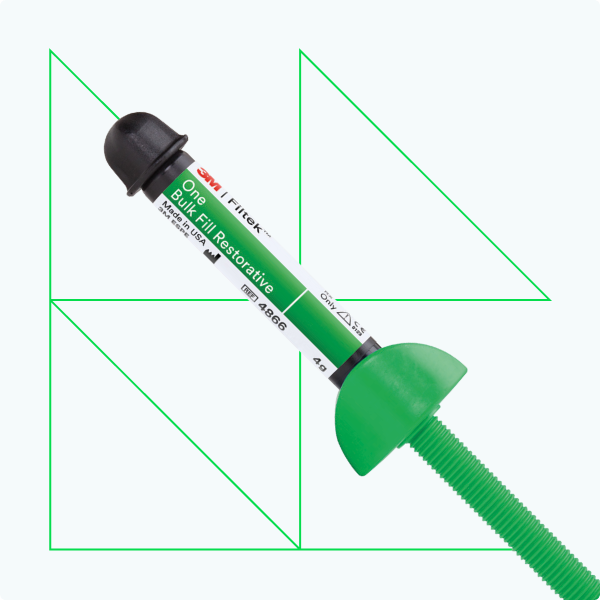
Each treatment option has its advantages, and the choice of material should be tailored to the unique needs of the patient, considering factors such as the extent of damage, bruxism severity, and aesthetic preferences.
Planning For Future Restorations
For patients with bruxism, it is essential for clinicians to account for the potential for future dental damage. While stopping bruxism would eliminate the need for careful planning, this goal may not be immediately attainable. Strategies for managing bruxism may include8:
- Occlusal adjustments and oral rehabilitation.
- Elimination of contributing factors (such as smoking, alcohol, and caffeine).
- Psychological interventions (including relaxation techniques and psychotherapy).
Given the individual nature of every patient’s condition, a straightforward solution may not be available. Therefore, clinicians should approach initial restorations with the foresight of potential future repairs in mind.
Additive techniques are generally preferred over more invasive options, such as ceramic crowns, which should not be the first line of treatment for posterior restorations5. Resin composites, known for their capacity for minimally invasive repairs, show promise in enhancing the longevity of posterior restorations.