


 Back
Back





























Intraoral Cameras
Diagnostics and Communication
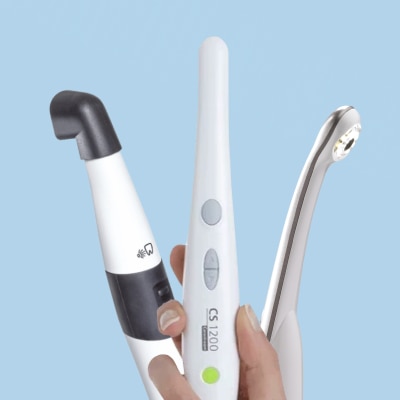
Intraoral cameras are no longer new, but how they are used has evolved. These high-definition, handheld tools offer much more than documentation; they are power drivers of case acceptance, trust, and communication.
When a patient can see exactly what you can see – a cracked filling, early signs of wear, inflammation, or cavities – the conversation shifts. It’s no longer an abstract explanation, it becomes a visual, personal moment of insight. And that matters.


Intraoral Scanners
Speed, Precision, and Digital efficiency
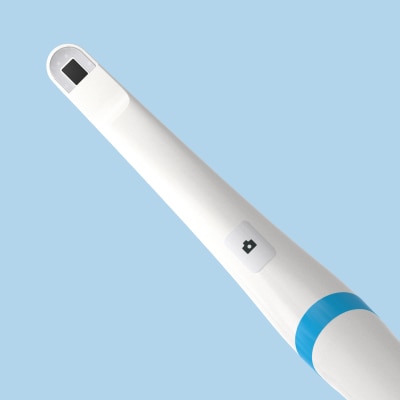
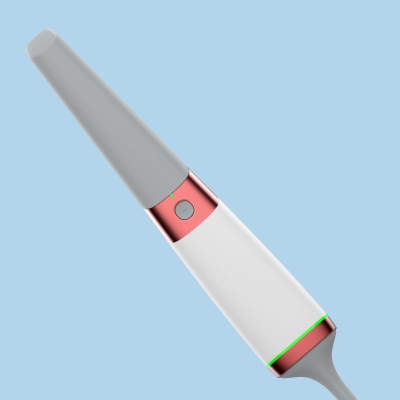
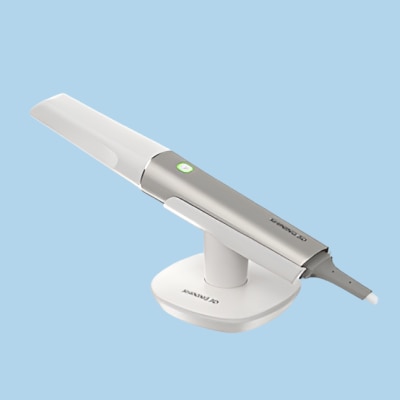
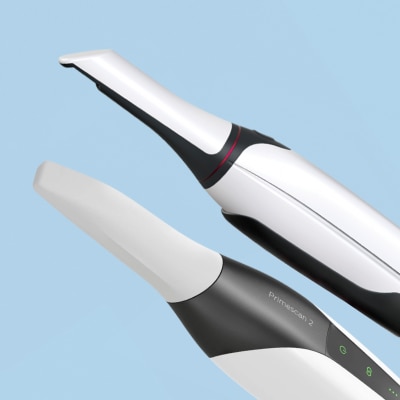
While cameras are about communication, intraoral scanners are about precision and performance.
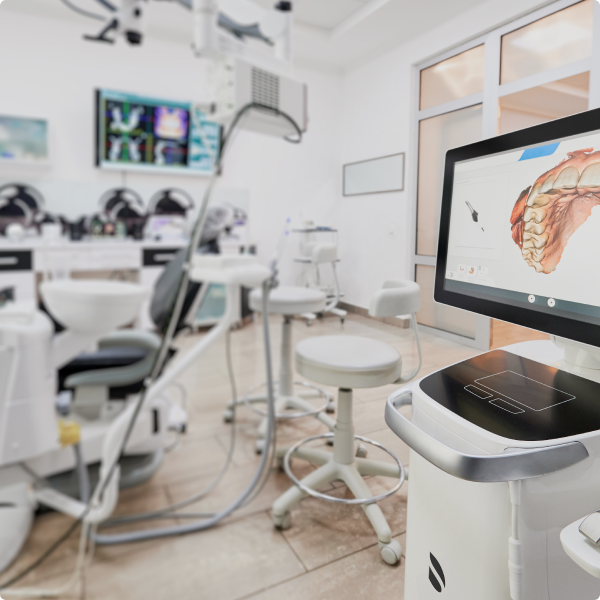
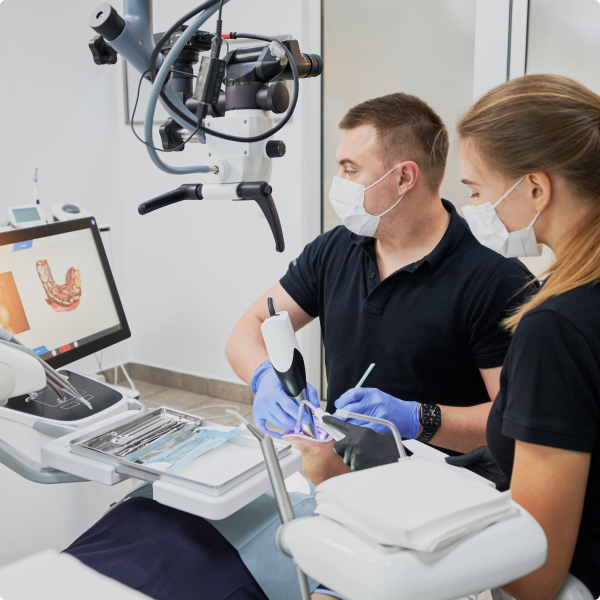
Digital scanning has revolutionised restorative and orthodontic workflows. From crown and bridge work to aligner therapy and implant planning, intraoral scanners enable faster, more accurate impressions, without the mess or discomfort of traditional materials.
And it doesn’t stop at the scan. Integration with CAD/CAM systems, labs, and planning software streamlines your operations, enhances your lab communications, and accelerates turnaround times.
Why You Need Both: A Unified Digital Experience
The real opportunity isn’t choosing between cameras or scanners, it’s combining their strengths. Together, they support a fully digital patient experience that’s visual, fast, and comprehensive.
- Use the camera to engage and educate the patient.
- Use the scanner to diagnose, plan, and execute with precision.
This dual approach bridges the gap between communication and clinical workflows. You’re not just telling patients what they need, you’re showing them why, and then delivering that treatment with cutting-edge efficiency.
Think of it as two sides of the same coin:
- One builds trust.
- The other ensures technical excellence.
Staying Competitive: Future-Proofing Your Practice
The dental practices that thrive in the next five years will be those that embrace smart, integrated technology today. Not just to keep up; but to lead.
Consider what’s driving change:
- Patients expect digital tools as a standard.
- Reviews and referrals increasingly reflect the patient experience.
- Younger associates and hygienists want to work in tech-forward environments.
- New services, such as same-day crowns, smile previews, and AI-powered diagnostics, depend on a strong digital foundation.
This is no longer optional, it’s strategic. Practices without these tools are already beginning to feel the gap in efficiency, patient perception, and case acceptance.
Ask yourself:
- Are your competitors showing patients exactly what’s going on in their mouth?
- Are they scanning instead of taking impressions?
- Are they building a seamless, digital-first experience that patients talk about?
If the answer is yes – and it probably is – then now’s the time to act.

Never Miss Out
Sign-up to our mailing list and keep up to date with the latest offers and news.Share


