What Are The Top Cosmetic Dentistry Trends For 2026?
The world of cosmetic dentistry is continuously evolving and growing, with 40% of dental professionals noting an increased demand for cosmetic treatments in recent years.
And while whitening remains one of the most recognisable entry points into cosmetic dentistry, it is no longer a practice differentiator. With 94% of dental practices now offering whitening,1 patients are finding themselves with a wider choice of options on where to source treatment, making it harder for practices to gain a competitive advantage.
For your practice to stand out in 2026, you may need to look beyond whitening alone – whether that means refining your existing whitening protocols, products, and techniques, or expanding into complementary cosmetic treatments.
But which cosmetic trends and treatments are worth your investment right now?
)
The Trusted Partner Report
Download our exclusive white paper today to unlock comprehensive insights into the dental industry.
1. Natural Smile Design
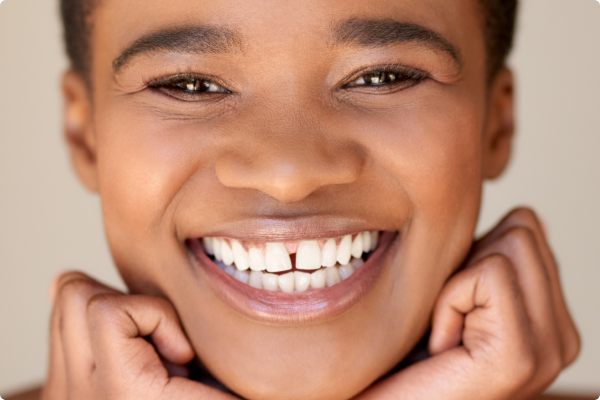
When it comes to the ideal smile, we are seeing a growing trend of patients favouring enhancement of their natural smile rather than a complete smile transformation – leaning less towards ultra-white “perfection”, and more towards personalised, less obvious modifications.
While traditional cosmetic dentistry focusing on straight, white teeth still has its place, many patients are prioritising healthy-looking smiles that look like their teeth, but better, and there are a few theories as to why this might be.
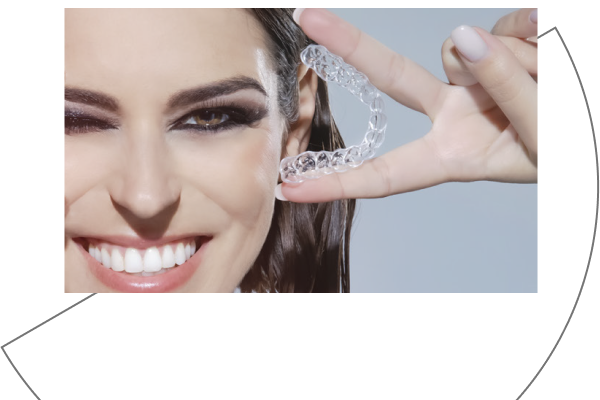
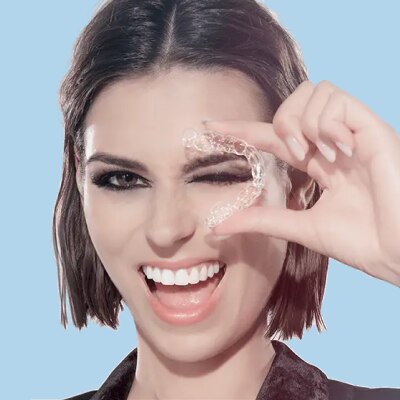
The clear aligner solution that provides advanced orthodontic care.

3. Digital Smile Design, AI, And Scan-Led Planning
With 84% of dental professionals now using digital tools within their dental practice,1 Digital Smile Design (DSD) is continuing to revolutionise how we approach smile makeovers.
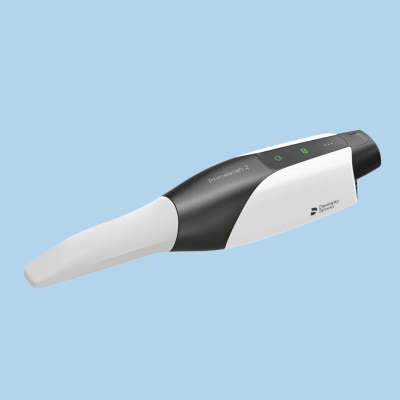
By leveraging advanced imaging technology, DSD allows you to create a virtual, 3D model of your patient’s teeth and simulate the final result before treatment begins. The growing use of intraoral scanners, AI-assisted smile simulation, 3D photography, CAD/CAM, cloud-based workflows, and in-house manufacturing is shaping how clinicians diagnose, plan and communicate treatment options, and offers some notable key benefits.
- Precision and Predictability: Digital models allow you to plan treatments with great accuracy.
Today, integrating digital dentistry goes beyond just a trend – it is becoming an essential tool for modern cosmetic dentistry.
)
Digital Equipment
Elevate Your Practice with Same-Day Dentistry: Intraoral Scanning, Chairside Milling and 3D Printing
5. Holistic Facial Aesthetics
No two people are the same, so it makes sense that no two smiles should be either.
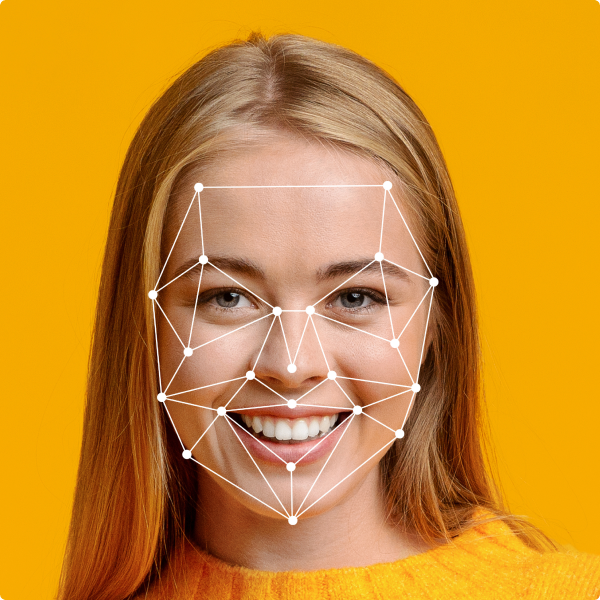
Holistic smile planning looks at the patient’s face as a whole, rather than treating the teeth in isolation, to create full-face harmony – a stark contrast to the “Hollywood smile” which focuses primarily on whiteness and uniformity, without considering individual nuance.
By analysing the face in its entirety, dental professionals can offer a more unified approach to cosmetic treatment, creating a less-generic smile that feels more balanced and personal. Key areas to consider for a holistic approach include:
- Teeth: Shape, proportion, smile width, shade, texture, translucency.
)
Thrive With Cosmetic Dentistry
Cosmetic dentistry is more sought after than ever before. Is your dental practice keeping up with the demand?

)
Intraoral Scanners Q&A
HS Equipment Specialist Mosin Aboobaker guides you through the benefits of incorporating an intraoral scanner into your dental practice or laboratory.
)
Stay Ahead In Orthodontics
Orthodontics has come a long way from the days of bulky metal braces and plaster impressions – but has your practice?
)
Smilers
Smilers is an orthodontic aligner system that not only delivers exceptional results but also prioritises environmental responsibility.
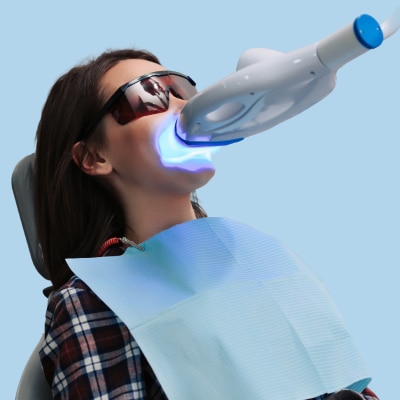)
Reclaiming The Whitening Market
Keep your patients safe and informed by educating them on the risks of illegal tooth whitening, and encouraging them to seek regulated alternatives instead.
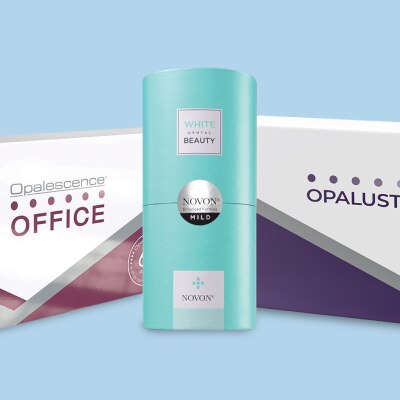)
Whitening Shop
With just two whitening ranges, Opalescence and White Dental Beauty, you can be flexible in how you offer whitening to patients.
What are the top cosmetic dentistry trends for 2026?


Why are natural-looking smiles becoming more popular?
Is teeth whitening still worth offering in 2026?
What are minimally invasive cosmetic dental treatments?
How do clear aligners support cosmetic dentistry?
How is digital smile design changing cosmetic dentistry?
How can Henry Schein support cosmetic dentistry workflows?