Back
Back



























The equipment we utilise, the transportation we rely on, and the day-to-day operations of our practices all contribute to the carbon emissions associated with dentistry[1]. Large equipment integral to dentistry – such as x-ray machines and autoclaves – have a high energy consumption and therefore impact on your overall footprint. But the equipment is vital to the practice, so what is the solution?
Another heavy factor to consider, is transportation. Studies show that the average dental practice emits a significant amount of carbon dioxide annually, with travel making up the largest portion[2]. This environmental impact underscores the need for a proactive approach to reducing our carbon footprint.
To address these challenges, you can implement a range of strategies to reduce your dental practice’s contribution to carbon emissions. Investing in energy-efficient equipment where appropriate, and eco-friendly lighting, for instance, not only reduces energy consumption but also leads to long-term cost savings.
Embracing renewable energy sources and exploring sustainable transportation options for our staff further aligns our practices with eco-conscious principles.

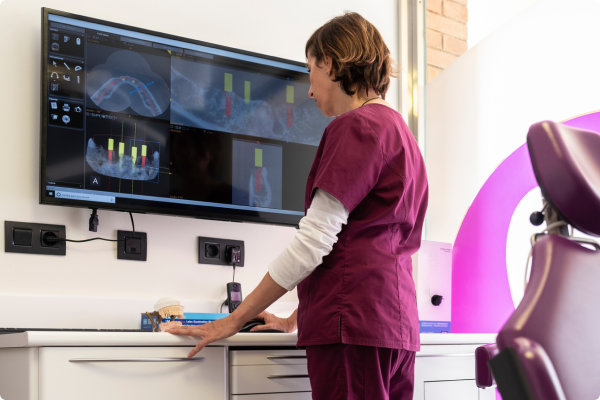
To tackle this problem, we propose a shift towards digital administration in dental practices. Systems and software like Dentally and Software of Excellence offer efficient and secure alternatives to seamlessly take your practice digital.
As well as this, make sure you have clear recycling practices for the paper products you can’t go without, especially as paper is still a more sustainable choice than plastic.
Additionally, we can explore sustainable sourcing options for the paper you do use. Choosing recycled or bamboo-based materials supports responsible forestry practices and helps alleviate the pressure on natural forests.
Share


Related Articles