


What is the difference between an ophthalmoscope and a fundoscope?


There is no practical difference. "Fundoscope" and "ophthalmoscope" are often used interchangeably to describe an instrument used to examine the retina, optic disc and blood vessels at the back of the eye.
What can an ophthalmoscope detect?
An ophthalmoscope can help identify retinal abnormalities, diabetic retinopathy, hypertensive changes, papilloedema, optic nerve damage, retinal haemorrhages and other ocular findings that may indicate systemic disease.
What is the best ophthalmoscope for general practice?
The best ophthalmoscope depends on examination frequency and clinical requirements. Many GPs prefer LED models with a broad dioptre range and multiple aperture options, while clinicians performing frequent fundoscopy may benefit from a wide-view design.
Are LED ophthalmoscopes better than halogen models?
LED ophthalmoscopes generally offer brighter illumination, lower maintenance requirements and a significantly longer operational lifespan compared with traditional halogen devices.
Why is fundoscopy important in primary care?
Fundoscopy can provide valuable information about ocular health, cardiovascular disease, diabetes, neurological conditions and other systemic disorders, supporting earlier diagnosis and appropriate referral.
How often should an ophthalmoscope be replaced?
A quality ophthalmoscope can remain in service for many years. Replacement is typically driven by advances in technology, declining optical performance, damage or evolving clinical requirements rather than a fixed lifespan.
You May Also Like
)
Welch Allyn Otoscopes
By focusing on illumination quality, ergonomics and clinical needs, you can ensure your otoscope supports you in making accurate diagnoses every day.

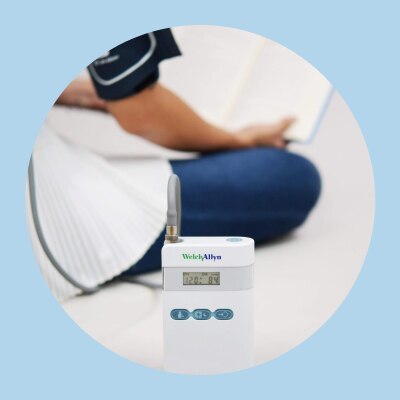)
24 hour BPMs Guide
Investing in high quality 24hr blood pressure monitors delivers measurable value for both clinicians and patients alike. Shop here.
)
Height Measurement Tools
Choosing the right height measures for your healthcare setting can empower your team to deliver more accurate, consistent patient data.
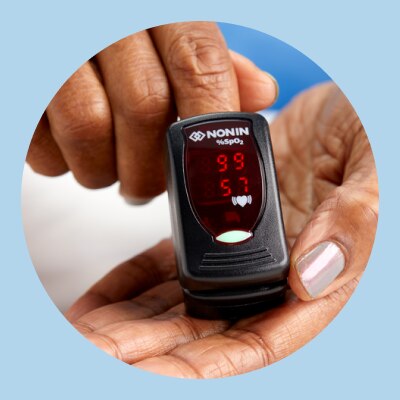)
Pulse Oximeters Buying Guide
Pulse oximeters are devices for monitoring heart rates and oxygen saturation in patients, discover Henry Schein Medical’s three top recommendations.
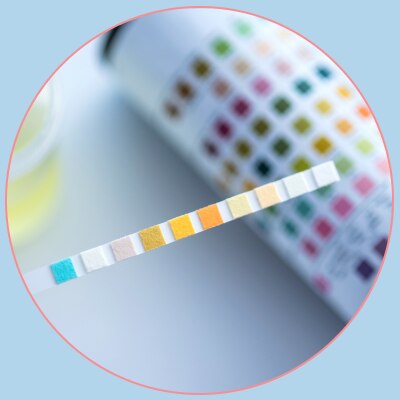)
Urinalysis Strips Buying Guide
Urinalysis strips, (urine test strips or dipsticks) is a diagnostic tool used to determine changes in a patient’s urine. Discover our recommendations.