


Effects on the Dental Sector
- Cost implications: Dental practices often rely on single-use plastic products, such as gloves, masks, and packaging for instruments and materials. With the Plastic Packaging Tax in effect, packaging containing less than 30% recycled content could lead to increased costs for dental practices. This might result in higher prices from suppliers, impacting the financial bottom line of practices.
- Sustainability awareness: The introduction of the packaging tax and EPR may lead to heightened awareness about the environmental impact of products, prompted by rising costs of taxable products.
- Product packaging: Manufacturers of dental products will likely need to reassess their packaging practices to align with the new regulations. This could entail redesigning packaging to incorporate more recycled content or exploring alternative materials that meet the sustainability criteria.
- Waste management and reporting: Dental practices may need to revamp their waste management procedures to ensure accurate tracking and reporting of packaging materials.
- Innovation in dentistry: The packaging tax and EPR could act as catalysts for innovation within the dental sector. Manufacturers and suppliers may invest in research and development of sustainable packaging materials and product designs to mitigate the tax burden and contribute to overall sustainability.

The Plastic Packaging Tax and Extended Producer Responsibility represent a significant shift in the way businesses, including dental practices, operate. While challenges like increased costs and regulatory adjustments are on the horizon, these changes also present opportunities for the dental sector to embrace innovation, reduce its environmental footprint, and contribute to a more sustainable future.
By staying informed, adapting packaging practices, and implementing effective waste management strategies, dental practices can navigate the changing landscape and play a role in promoting a greener world.
As the dental industry evolves in response to these new regulations, it's important for professionals to remain proactive and seek out resources that support sustainable practices. By embracing these changes, the dental sector can lead the way in demonstrating environmental responsibility while still providing top-notch patient care.
Share


you may also like
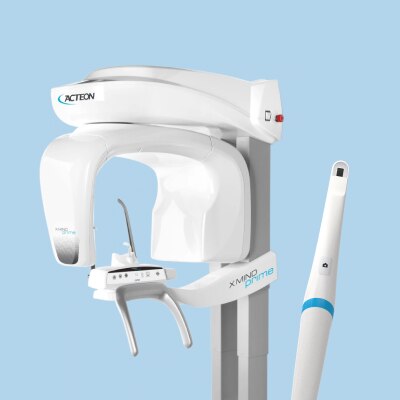)
Acteon Workflow
Acteon offers state-of-the-art 2D and 3D imaging equipment designed to revolutionise dental X-rays and maxillofacial diagnostics

)
)
White & Co
Anisha Patel, owner of the White & Co. independent group of dental practices explains how she came to open her latest premium practice, on the site of her dreams.
)
Happy Kids Dental
Roksolana Mykhalus, co-owner and director of Happy Kids Dental tells us about how and why this squat private practice has been designed to bring a totally new approach to children’s dentistry in the UK
)
L&H Dental
When space was limited, and with a busy dental practice to run, it was time to call in the experts
)
)
Lodge Dental: How I Did It
Chris Lodge talks us through the journey of Lodge Dental in Abergavenny
)
)
)
)
Bluebell Dentistry & Aesthetics
Witness a remarkable transformation – evolving from a modest dental practice into a cutting-edge facility spanning three floors with nine surgery rooms.
)