This blog explores how UK dental professionals feel about AI in dentistry, using insights from Henry Schein’s Trusted Partner Report to look at the benefits, challenges, and practical ways AI can support responsible, human-centred practice workflows.

- AI in dentistry is gaining momentum, but dental professionals remain divided on how and when it should be used, with concerns around human oversight, training, integration, cost, and patient data privacy.
- AI can support dental teams with diagnostics, admin, documentation, patient communication, and practice management insights.
- AI should be used as a supporting tool, not a replacement for clinical judgement or the patient-clinician relationship.
- Henry Schein can help dental practices explore AI-enabled equipment, software, services, and expert guidance tailored to their needs.
Key Takeaways
- AI in dentistry is gaining momentum, but dental professionals remain divided on how and when it should be used, with concerns around human oversight, training, integration, cost, and patient data privacy.
- AI can support dental teams with diagnostics, admin, documentation, patient communication, and practice management insights.
- AI should be used as a supporting tool, not a replacement for clinical judgement or the patient-clinician relationship.
- Henry Schein can help dental practices explore AI-enabled equipment, software, services, and expert guidance tailored to their needs.
Key Takeaways
- AI in dentistry is gaining momentum, but dental professionals remain divided on how and when it should be used, with concerns around human oversight, training, integration, cost, and patient data privacy.
- AI can support dental teams with diagnostics, admin, documentation, patient communication, and practice management insights.
- AI should be used as a supporting tool, not a replacement for clinical judgement or the patient-clinician relationship.
- Henry Schein can help dental practices explore AI-enabled equipment, software, services, and expert guidance tailored to their needs.
What are the benefits of using AI into your dental practice?
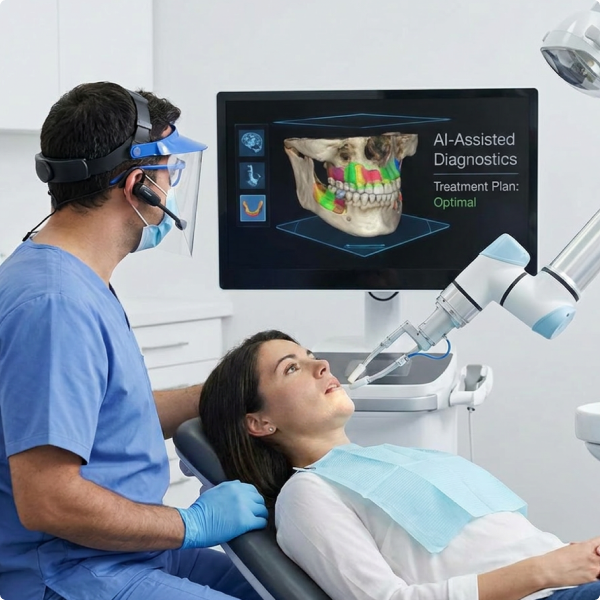
- AI-Assisted Diagnostics: While AI should not be used for diagnosis alone without clinical input and human oversight, it can be used alongside professional diagnosis to provide supporting data and earlier detection by highlighting patterns that may be hard to spot with the human eye alone.
)
Equipment
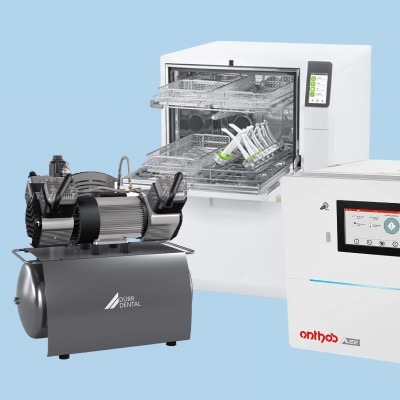
Discover more than just dental consumables, with Henry Schein’s extensive range of dental equipment and services.

)
Henry Schein Financial Services
A vast range of financial products and services that are offered through our finance partners nationally
)
)
Henry Schein Equipment Services
We have a dedicated team ready to provide a range of comprehensive cover options, giving you peace of mind and minimising the cost of any unexpected breakdown
)
Advance Rebate
If you're about to invest in dental equipment, you could be able to combine your costs and benefit from the Advance finance solution!
“How can AI help me with practice management and insights?”
With over half of dental professionals citing ‘time pressures’ as one of their biggest challenges, and many saying admin is the most time-consuming aspect of their role1, one thing is certain: practice management software can be transformative when it comes to streamlining your practice workflow.
Dentally’s fully cloud-based dental practice management software utilises AI functionality for patient education and the recording of clinical notes, as well as allowing easy access to patient records for improved treatment planning, incorporating communication tools to keep staff and patients connected, and offering real-time reporting for managing finances – all for improved task assignment and time management.
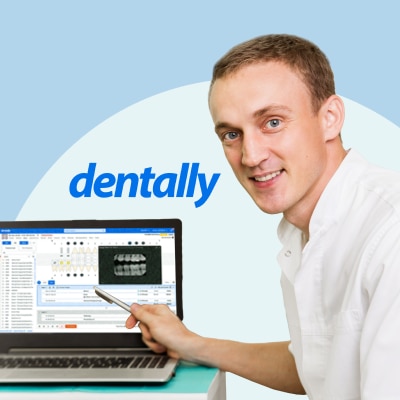

Dentally brings together clinical, practice admin and patient experience features in the cloud, removing friction and helping practices run with confidence.

Dentally, the dental software solution for stress-free dentistry
Dentally brings together clinical, practice admin and patient experience features in the cloud, removing friction and helping practices run with confidence.
Dentally, the dental software solution for stress-free dentistry
Dentally brings together clinical, practice admin and patient experience features in the cloud, removing friction and helping practices run with confidence.
“How can I use AI to improve patient communication?”
Dentistry is human centred at its core, so it’s no surprise that an overwhelming majority of dental professionals say their patients are the most enjoyable part of their role.1 Over half agree that AI tools can be beneficial for improving patient communication1, by simplifying treatment plans and diagnoses into less clinical, more patient-friendly language.
Henry Schein can support practices with technologies that help patients see what clinicians see, making conversations clearer and more collaborative, and strengthening patient-clinician relationships. What’s more, their improved website features comprehensive guides and articles on trending topics, providing unique, up-to-date insights that you can share with your patients.
)
Henry Schein Dental Blog
Explore the Henry Schein dental blog – your trusted source for the latest UK dental news, clinical insights, and product guidance.
“What additional support can Henry Schein provide me when it comes to incorporating AI into my dental practice?”
Henry Schein are more than just a dental supplier: they are a long-term practice partner, dedicated to supporting their customers throughout their dental career, from purchasing their first practice to retirement.
As a Henry Schein customer, you will be allocated a local rep whose core role is to provide you with expert guidance, to encourage growth and innovation within your dental practice. If you are looking to incorporate AI technology into your dental practice, your Henry Schein rep or Equipment Specialist can guide you through the best options to suit your practice’s unique needs, instilling confidence in your purchase.
Taking The Next Steps Towards AI In Dentistry
To further explore Henry Schein’s huge range of advanced equipment, and to discuss with a dedicated Henry Schein rep which AI solutions would be the best fit for your practice, contact us here.
To discover more unique insights from UK dental professionals, download the full Henry Schein Trusted Partner Report today.
)
Shopping With Henry Schein
Learn why dental professionals across the globe choose Henry Schein as their trusted healthcare solutions provider, for more than just dental supplies.

Download our exclusive white paper today to unlock comprehensive insights into the dental industry.
The Trusted Partner Report
Download our exclusive white paper today to unlock comprehensive insights into the dental industry.
The Trusted Partner Report
Download our exclusive white paper today to unlock comprehensive insights into the dental industry.
How is AI currently being used in dentistry?


Can AI replace dentists or dental teams?
What are the main benefits of AI for dental practices?
What should dental practices consider before adopting AI?