


Unlike NHS dentistry, where retention is rarely a concern due to limited access and availability, private dentistry demands a different mindset. Patients can – and will – shop around. They’ll leave for better value, better service, or simply a better feeling. And in a climate where expectations are rising, practices must move beyond the basics to truly earn patient loyalty.
So, what will set successful practices apart between now and 2030?
It comes down to four key pillars: human-centred care, clear communication, a seamless (and tech-enhanced) experience, and a visible commitment to clinical innovation.
1. Personalised, Human-Centred Care in a Digital World
Digital tools are revolutionising the way you run your practices – online booking systems, AI driven patient communications, treatment planning software. But there’s a real danger here: that patients become – and are made to feel like – numbers on a screen.

Many dentists rush through appointments due to time constraints, but patients remember how you make them feel, not just the treatment you provide. Taking the time to listen, understand their concerns, and treat them like a valued guest rather than just another case fosters lasting loyalty.

Trust and experience. Patients are savvier than ever, and they value care that feels personal, consistent, and transparent. It’s not just about treatment - it’s about how you make them feel.

Many dentists rush through appointments due to time constraints, but patients remember how you make them feel, not just the treatment you provide. Taking the time to listen, understand their concerns, and treat them like a valued guest rather than just another case fosters lasting loyalty.
Trust and experience. Patients are savvier than ever, and they value care that feels personal, consistent, and transparent. It’s not just about treatment - it’s about how you make them feel.
2. Clear Communication and Trustworthy Information
When it comes to private care, trust is currency. And trust is built on clarity. Patients are more informed than ever – but they’re also overwhelmed. They’ve read about composite bonding, clear aligners, implants, and whitening before they ever call your practice. Their sources of information can run from anywhere between reputable medical sources, and unreliable influencers. So they don’t always understand what’s right for them, or what’s actually involved.
That’s where consistent, compassionate communication becomes vital.
- Are your treatment plans easy to follow?
- Do patients understand the full journey – timelines, risks, results?
- Are fees clearly explained, with no unwelcome surprises?
Patients want to feel empowered, not sold to. Therefore, practices that communicate clearly, honestly, and with empathy will always stand out.

3. A Seamless Experience, Backed by Innovation
We live in an age of frictionless service. Patients can book a holiday, order dinner, and rearrange a delivery in seconds. As a result, that has become the standard of expected service, and dentistry is no exception.
This is where seamless operations become a major asset.
- Online appointment scheduling that actually works.
- Automated reminders and digital forms.
- Quick, easy payment options.
- Efficient, friendly reception interactions.
- Minimal wait times and smart scheduling.
But here is the key point: seamless doesn’t just mean smooth, it means modern.
If your systems feel dated, so does your care.
That’s why operational efficiency and clinical innovation go hand-in-hand. The practices that invest in streamlined processes often invest in the latest treatment technology too, and patients notice. They equate smooth experiences with professionalism, capability, and competence.
In other words, convenience isn’t just nice to have – it’s part of the care itself.


4. Commitment to Innovation and Minimally Invasive Techniques
This is where retention becomes about clinical leadership.
Patients don’t just want care that’s warm, they want care that’s cutting-edge. When you’re paying for a service, you want the best, and that means innovative.
Between now and 2030, dentistry will continue its rapid evolution. From AI-assisted diagnostics to fully digital workflows and regenerative procedures, the tools and techniques available to private dentists will keep improving; and patients will be watching.
They’ll gravitate towards practices that offer:
- Minimally invasive treatment options.
- Faster recovery times.
- Digital scanning instead of traditional impressions.
- Smile makeovers that feel bespoke, not templated.
- Tech-enhanced treatment planning and visualisation tools.
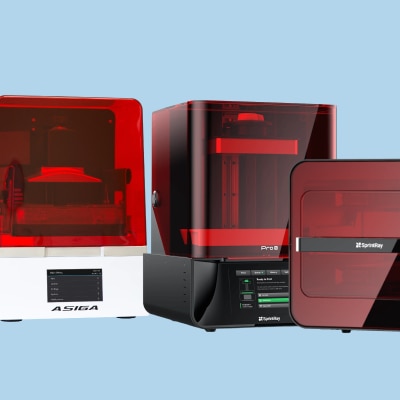
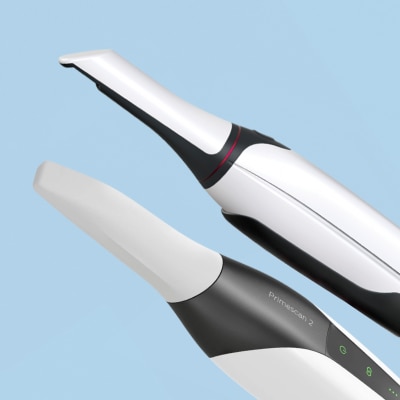

Why? Because innovation signals quality.
Patients see new technology as a marker that you’re invested – not just in your practice, but in them. It says you care enough to offer the best.
But here’s the nuance: don’t innovate in a vacuum. Link new technology to patient outcomes. Communicate why you’ve invested in certain technologies. Make it part of the story you tell about your practice. That’s how innovation becomes a loyalty driver.
Make Changes That Matter
So, what will really keep patients coming back in the years ahead?
Not just excellent clinical care, not just the latest gadgets, and not just a warm smile, but all of it working together to create a bespoke treatment package that cares.
In short, patients want to feel cared for and confident. The practice that can blend empathy with excellence, that can deliver both personal warmth and professional innovation, will not only retain patients, but turn them into advocates.


Never Miss Out
Sign-up to our mailing list and keep up to date with the latest offers and news.Share


You May Also Like
)
Oral Health Awards 2026
The Association of Dental Education in Europe, the European Dental Students’ Association, and Henry Schein grant the 2026 Oral Health Professional Educators’ Awards.

)
The Key To Staff Retention
Struggling with staff retention? mydentist’s chief clinical officer, Nyree Whitley, gives her advice on how you can attract and keep staff in your dental practice by perfecting your basics.
)
Reducing Endodontic Chair Time
Explore how dental professionals can reduce endodontic chair time without compromising care.
)
SafeMatrix Bands
Transform your day-to-day restorative workflow with SafeMatrix – the single-use matrix bands you can rely on.
)
Dental Disposables Buying Guide
Discover how choosing dental disposables from Henry Schein can support safer, smarter everyday care, from surgery set-up and treatment to changeover and restocking.
)
AI In Dentistry
Discover how AI is shaping dentistry, and how Henry Schein can support responsible, human-centred adoption in your practice. Featuring insights from the Trusted Partner Report.
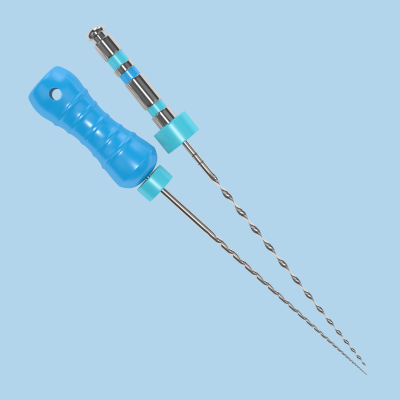)
Quick Endo Guide
Explore the key steps in the endodontic workflow with our snapshot overview, designed to help dental professionals work efficiently, confidently, and consistently at every stage of treatment.
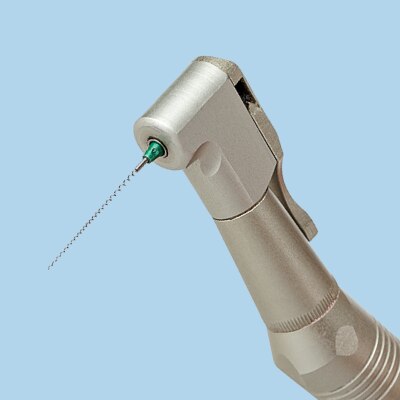)
Ultimate Endo Guide
Ensure your endodontic treatments are well rounded and reliable with our complete step-by-step guide of the endodontic workflow, created to help you achieve the best outcomes for your patients.
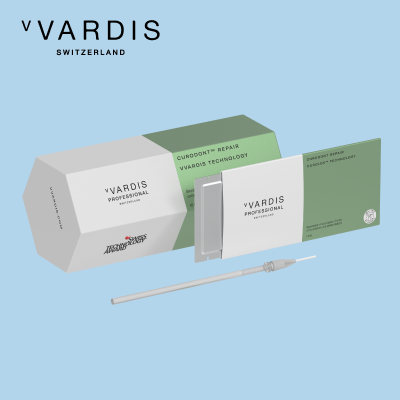)
Safeguarding Smiles
Protect your patients’ oral health today while better positioning them for the future, with minimally invasive preventive products like Curodont® Repair from vVARDIS.
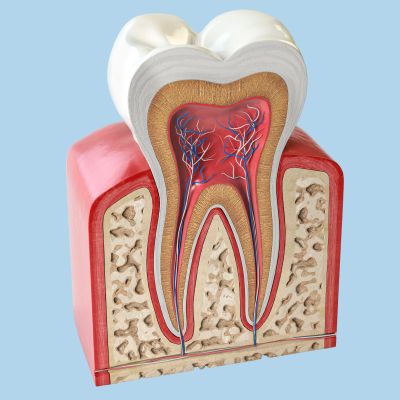)
Mastering Molars
Explore why molar root canals are more complex, from curved canals and MB2 detection to irrigation, instrumentation, obturation, and restoration.
)
Mark Topley Sustainability Q&A
Go Practice Green founder, Mark Topley, discusses the importance of sustainable dentistry, and how making small changes in your practice can have a big impact on the planet.
)
Wellbeing In Dentistry
Learn how prioritising wellbeing in dentistry can drive better outcomes, with insights from Chief Dental Officer, Jason Wong, and the founders of BREATHE – the dental wellbeing platform.