


Our recommendation
A simple definition of CAD/CAM dentistry is the use of digital software to design and manufacture dental restorations and prostheses. CAD stands for computer-aided design and CAM stands for computer-aided manufacturing. The technology can be used to create crowns, dentures, inlays, onlays, bridges and veneers among other things. The speed of the CAD/CAM process allows for dental prosthetics to be designed, manufactured and delivered to the patient in quick time, sometimes the same day. The wider system of using computer assisted technologies to produce restorations is known as CEREC (Chairside Economical Restoration of Aesthetic Ceramics).
Our recommendation
A simple definition of CAD/CAM dentistry is the use of digital software to design and manufacture dental restorations and prostheses. CAD stands for computer-aided design and CAM stands for computer-aided manufacturing. The technology can be used to create crowns, dentures, inlays, onlays, bridges and veneers among other things. The speed of the CAD/CAM process allows for dental prosthetics to be designed, manufactured and delivered to the patient in quick time, sometimes the same day. The wider system of using computer assisted technologies to produce restorations is known as CEREC (Chairside Economical Restoration of Aesthetic Ceramics).
Our recommendations
A simple definition of CAD/CAM dentistry is the use of digital software to design and manufacture dental restorations and prostheses. CAD stands for computer-aided design and CAM stands for computer-aided manufacturing. The technology can be used to create crowns, dentures, inlays, onlays, bridges and veneers among other things. The speed of the CAD/CAM process allows for dental prosthetics to be designed, manufactured and delivered to the patient in quick time, sometimes the same day. The wider system of using computer assisted technologies to produce restorations is known as CEREC (Chairside Economical Restoration of Aesthetic Ceramics).
Our recommendation
A simple definition of CAD/CAM dentistry is the use of digital software to design and manufacture dental restorations and prostheses. CAD stands for computer-aided design and CAM stands for computer-aided manufacturing. The technology can be used to create crowns, dentures, inlays, onlays, bridges and veneers among other things. The speed of the CAD/CAM process allows for dental prosthetics to be designed, manufactured and delivered to the patient in quick time, sometimes the same day. The wider system of using computer assisted technologies to produce restorations is known as CEREC (Chairside Economical Restoration of Aesthetic Ceramics).
Endodontic handpieces
For intricate root canal procedures, endodontic handpieces are engineered with precision and control in mind. Their specialised design facilitates optimal access, ensuring that you can navigate the complexities of root canals with the utmost accuracy.
These handpieces are equipped to handle the unique demands of shaping, cleaning, and filling root canals, contributing to successful treatment outcomes and patient comfort.
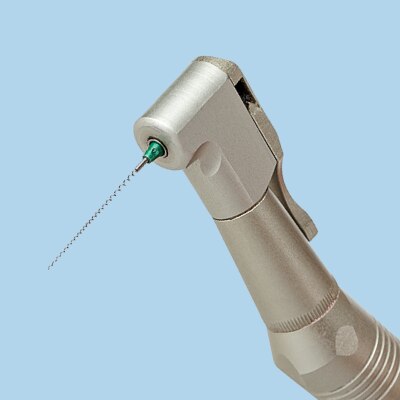
Our recommendation: Try the BA BAE45 endodontic contra-angle handpiece, compatible with most endodontic NiTi files. It is a 66:1 ratio speed reducer for air motors that requires no tabletop unit. The model has easy torque settings and a retro-rotation system to prevent excessive torque.
Endodontic handpieces
For intricate root canal procedures, endodontic handpieces are engineered with precision and control in mind. Their specialised design facilitates optimal access, ensuring that you can navigate the complexities of root canals with the utmost accuracy.
These handpieces are equipped to handle the unique demands of shaping, cleaning, and filling root canals, contributing to successful treatment outcomes and patient comfort.
Our recommendation: Try the BA BAE45 endodontic contra-angle handpiece, compatible with most endodontic NiTi files. It is a 66:1 ratio speed reducer for air motors that requires no tabletop unit. The model has easy torque settings and a retro-rotation system to prevent excessive torque.
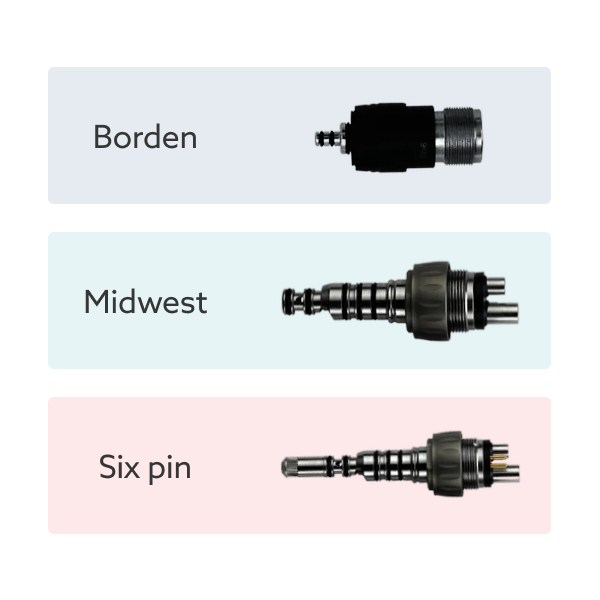
- Borden coupler: The Borden style coupling is a widely used connection mechanism, distinguished by its two or three distinctive holes. These openings serve specific functions: a larger hole channels air for turbine rotation, while a smaller hole manages water flow. This design ensures efficient cooling and smooth operation. Borden couplers lack an air exhaust, directing air directly out of the handpiece.
- Midwest coupler: The Midwest style coupling has versatility with two or more larger holes. One hole is dedicated to air intake, while another serves as the air exhaust. Additional holes often accommodate water spray and fibre optics for enhanced illumination during procedures.
- Six pin couplers: Emerging on the scene, new style couplers equipped with six pins provide a contemporary connection solution. These advanced couplers ensure compatibility with handpieces featuring a six-pin connection design.
Share



Never Miss Out
Sign-up to our mailing list and keep up to date with the latest offers and news.You May Also Like
)
CQC Updates 2026
Stay informed on the latest CQC updates for dental professionals, covering registration, mythbusters, non-rated services, and assessment frameworks.

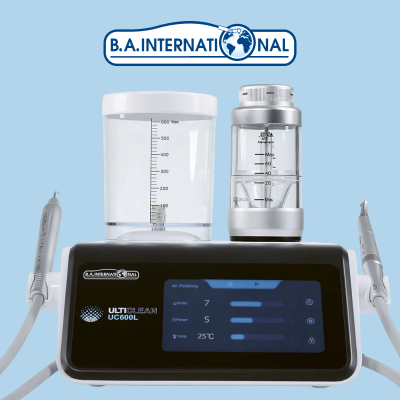)
Supporting Hygiene Appointments
Discover how the BA International Ulticlean UC600L can help you deliver comfortable, flexible and efficient hygiene appointments for modern patients.
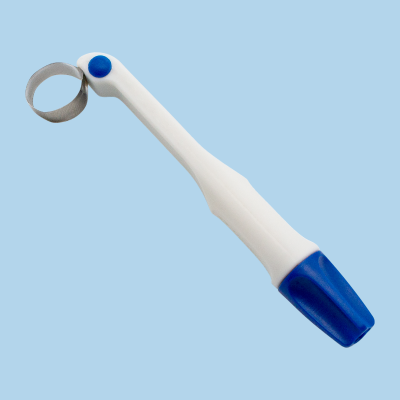)
SafeMatrix Bands
Transform your day-to-day restorative workflow with SafeMatrix – the single-use matrix bands you can rely on.
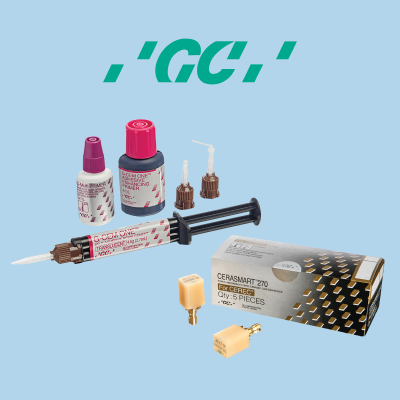)
Digital Restoratives From GC
Streamline digital restorative workflows in your practice with reliable solutions from GC, including CERASMART270 blocks and G-CEM ONE™ cement.
)
Oral Health Awards 2026
The Association of Dental Education in Europe, the European Dental Students’ Association, and Henry Schein grant the 2026 Oral Health Professional Educators’ Awards.
)
The Key To Staff Retention
Struggling with staff retention? mydentist’s chief clinical officer, Nyree Whitley, gives her advice on how you can attract and keep staff in your dental practice by perfecting your basics.
)
Reducing Endodontic Chair Time
Explore how dental professionals can reduce endodontic chair time without compromising care.
)
Dental Disposables Buying Guide
Discover how choosing dental disposables from Henry Schein can support safer, smarter everyday care, from surgery set-up and treatment to changeover and restocking.
)
AI In Dentistry
Discover how AI is shaping dentistry, and how Henry Schein can support responsible, human-centred adoption in your practice. Featuring insights from the Trusted Partner Report.
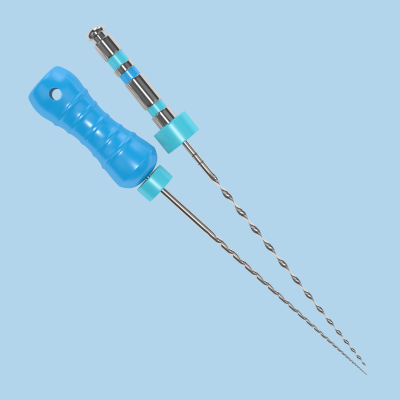)
Quick Endo Guide
Explore the key steps in the endodontic workflow with our snapshot overview, designed to help dental professionals work efficiently, confidently, and consistently at every stage of treatment.
)
Ultimate Endo Guide
Ensure your endodontic treatments are well rounded and reliable with our complete step-by-step guide of the endodontic workflow, created to help you achieve the best outcomes for your patients.
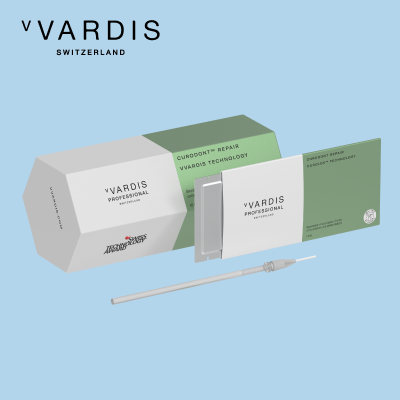)
Safeguarding Smiles
Protect your patients’ oral health today while better positioning them for the future, with minimally invasive preventive products like Curodont® Repair from vVARDIS.