Back
Back
























The Unseen Menace: Contaminated Waterlines
Picture this: within the very waterlines that facilitate your procedures, a lurking danger exists. Harmful microorganisms, the kind that thrive in moisture-rich environments, can find a home here. The result? A breeding ground for microbes that could compromise patient safety.
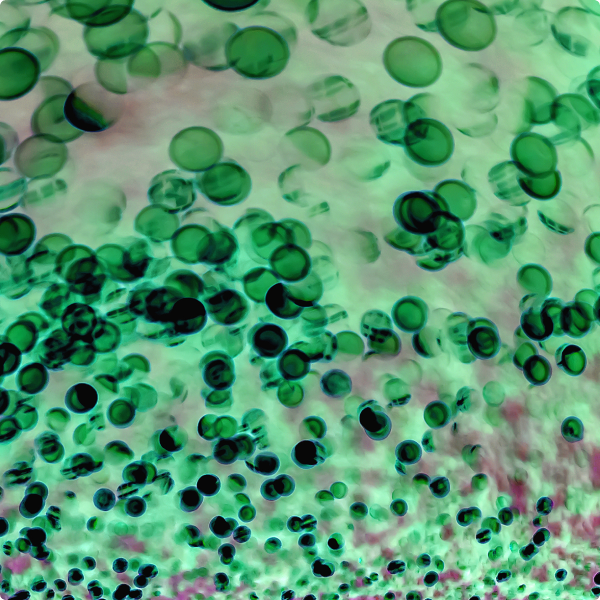
The spectrum of these microorganisms is diverse, and these tiny invaders aren't just passive bystanders; they're capable of forming slimy biofilms within the waterlines, where they flourish and multiply. This biofilm can harbour and protect these microorganisms, rendering them more resilient and challenging to eliminate.
This isn't a scenario to be taken lightly. Left unchecked, these microorganisms can potentially find their way into a patient's mouth, bloodstream, or respiratory system during dental procedures. Infections and health complications can follow, putting the very core of your practice—patient well-being—on the line.
The critical question arises: How do you prevent the build up of biofilm from compromising your commitment to patient care? In the next section, we'll delve deeper into the types of microorganisms that can take refuge within your waterlines and the potential risks they pose.
Understanding the Microorganisms at Play
Now that we're aware of the potential risks posed by contaminated waterlines, let's dive deeper into the bacteria that can thrive within these inconspicuous pathways.
Bacteria: These single-celled organisms are the most common inhabitants of dental unit waterlines. Among them are opportunistic pathogens like Legionella, Pseudomonas, and Mycobacterium. These bacteria can multiply rapidly within the moist environment of the waterlines, forming biofilms that provide protection against disinfection efforts.
All of that could be in the waterlines that you feed directly to patients.
Infections:

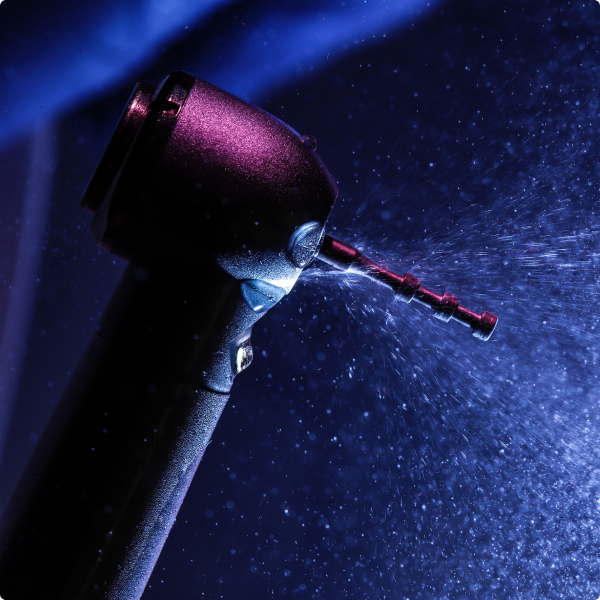
During dental procedures, water from contaminated lines can be introduced into a patient's oral cavity. This puts patients at risk of infections ranging from mild oral issues to more severe systemic infections if the microorganisms find their way into the bloodstream or respiratory system.
Equipment reliability:

Biofilm build up can cause issues with equipment and blockages within treatments centres and handpieces if left uncontrolled.
Legal & reputational consequences:

Infections resulting from inadequate waterline maintenance can lead to legal complications and damage the reputation of your practice[1]. Patients expect a safe and clean environment, and any lapses in this regard can have far-reaching consequences.
How can you prevent the build-up of these resilient biofilms?

Flushing your dental unit waterlines between patients for 60 seconds, and after periods without use for two minutes should be employed along with regular cleaning and maintenance of DUWLs.
How often should dental unit waterlines be cleaned?

Keeping your DUWLs clean is a daily task involving the combination of flushing, treating, and testing the lines regularly.
Why should dental unit waterlines be tested?

DUWLs are a ‘closed system’ and without testing it’s impossible to tell whether there is contamination or not. Testing in a lab for colony forming units is the most effective way to know for sure that your water lines are compliant.
How do you clean dental unit waterlines?

With a combination of regular flushing and trusted products.
The Answer: The Clean Water Club.
The dentisan Clean Water Club functions as an online platform empowering you to assert authority over water purity and biofilm elimination in DUWLs. It offers tools for overseeing, supervising, upholding, and scrutinising the water quality within the waterlines that serve your dental chairs and treatment rooms.
With the Clean Water Club, you will be sent everything you need to keep your dental unit waterlines compliant, giving you peace of mind over the care you are providing your patients.
Take action now to prioritise patient safety. Join the Clean Water Club and experience clear waterlines, regulatory compliance, cost savings, expert support, and official certification.
Shop Dentisan Bioclear
A simple definition of CAD/CAM dentistry is the use of digital software to design and manufacture dental restorations and prostheses. CAD stands for computer-aided design and CAM stands for computer-aided manufacturing. The technology can be used to create crowns, dentures, inlays, onlays, bridges and veneers among other things. The speed of the CAD/CAM process allows for dental prosthetics to be designed, manufactured and delivered to the patient in quick time, sometimes the same day. The wider system of using computer assisted technologies to produce restorations is known as CEREC (Chairside Economical Restoration of Aesthetic Ceramics).
Share