


2. Water Conservation
Water is a precious resource, and as dental professionals, we have a responsibility to use it wisely within our practices. By educating patients on water conservation techniques, you can contribute to a more sustainable future while providing exceptional oral care.
- Turn off the tap while brushing: Urge patients to turn off the tap while brushing their teeth. The habit of running water while brushing can lead to substantial water waste over time. Emphasise that this small change can make a big difference.
- Embrace cup-based rinsing: Start encouraging patients to use a cup for rinsing during their oral care routine, rather than letting the tap run continuously. This simple switch can significantly reduce water wastage without compromising hygiene.
- Eco-friendly tap attachments: Make sure patients that want to go the extra mile know about the availability of eco-friendly attachments that control water flow, ensuring a minimal and consistent stream during rinsing. These attachments are easy to install and can significantly reduce water consumption.
3. Responsible Disposal of Dental Products
Proper disposal of dental products is an often-overlooked aspect of sustainable oral care. By educating patients on the correct disposal methods for dental items, we can minimise our environmental impact.
- Dental waste recycling: Discuss the importance of recycling dental waste, such as toothbrushes, floss containers, and toothpaste tubes. Emphasise the need to follow local recycling guidelines and identify recycling programs in your area that accept dental products.
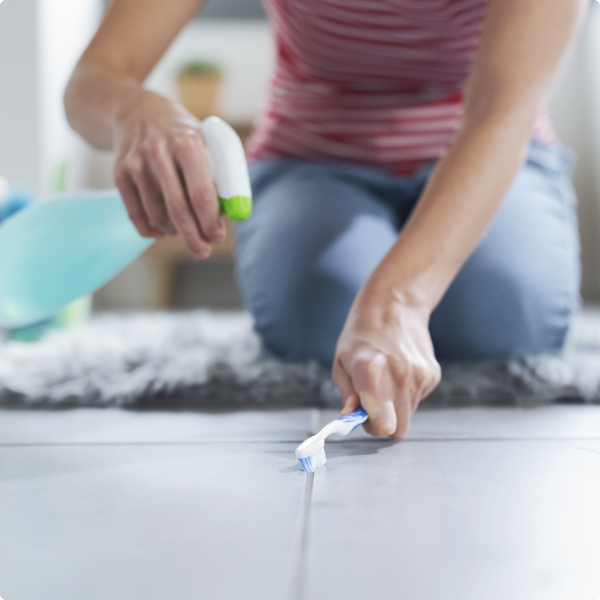
- Upcycling dental products: Encourage patients to explore creative ways to upcycle dental products. Toothbrushes can be repurposed as cleaning tools, floss containers used for small storage.
- Full use: Make sure patients aren’t throwing away dental products early. Educate patients about when toothbrush bristles are too frayed to clean properly, so that they aren’t thrown away prematurely. Talk with patients about how much floss and mouthwash is needed per use, and remind patients that toothpaste tubes can be cut open to access any remaining product to avoid waste.

4. Reducing Carbonfootprint Through Transportation
Transportation to the practice can have a significant environmental impact, but there are ways for staff and patients to make eco-conscious choices.
- Active transportation: Suggest biking or walking for staff who live within a reasonable distance of your practice. These active modes of transportation not only reduce emissions but also promote physical activity and well-being.
- Public transportation: Promote the use of public transportation, such as buses or trains, as an eco-friendly alternative to driving. Provide information on public transit options near your dental office, making it easier for patients and staff to choose sustainable travel.
- Carpooling and ride-sharing: Encourage staff to consider carpooling or ride-sharing when possible.
- Phone or virtual appointments: Consider whether your dental practice offers phone or virtual appointments as an option for patients seeking oral care advice or consultations that don't require an in-person visit. These remote appointment alternatives can provide convenience for patients while reducing the burden of travel on the environment.
5. Sustainable Oral Care as a Lifestyle
When we discuss sustainability in dentistry, one key principle stands out: the most sustainable dental care is the one that's rarely needed – and that is preventive dentistry.
It's a simple yet powerful concept that emphasises the pivotal role of preventive care in reducing the environmental footprint of the dental industry.
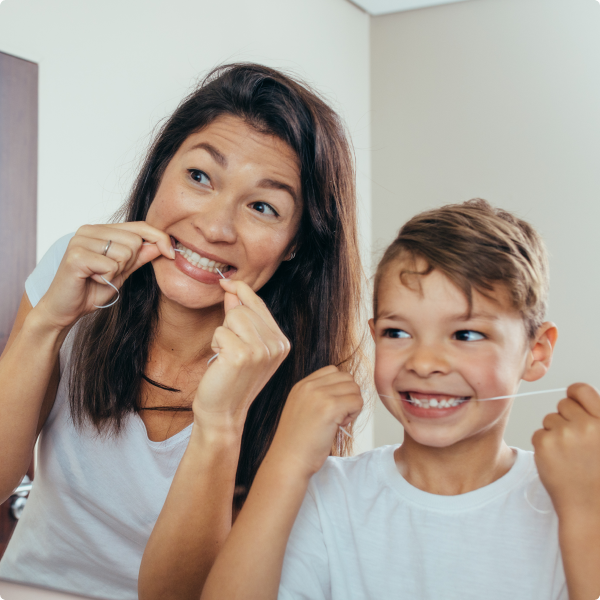
The truth is, the less dental treatment an individual requires, the lighter their impact on the environment. By adopting robust dental care routines at home—consisting of regular brushing, flossing, mouthwash use, and sugar reduction—patients can significantly reduce their need for dental interventions. This not only preserves their oral health but also contributes to a more sustainable dental industry.
Sustainable oral care, in this context, is not just a personal commitment; it's a collective effort to lessen the strain on our healthcare resources and minimise the environmental consequences of dental treatments. By promoting these practices, we empower our patients to become partners in sustainability, making every brush and floss an act of environmental consciousness.
Share


Never Miss Out
Sign-up to our mailing list and keep up to date with the latest offers and news.You May Also Like
)
Oral Health Awards 2026
The Association of Dental Education in Europe, the European Dental Students’ Association, and Henry Schein grant the 2026 Oral Health Professional Educators’ Awards.

)
The Key To Staff Retention
Struggling with staff retention? mydentist’s chief clinical officer, Nyree Whitley, gives her advice on how you can attract and keep staff in your dental practice by perfecting your basics.
)
Reducing Endodontic Chair Time
Explore how dental professionals can reduce endodontic chair time without compromising care.
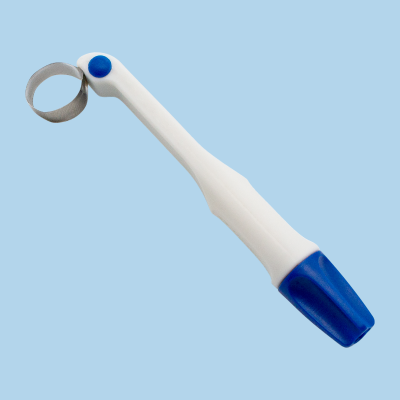)
SafeMatrix Bands
Transform your day-to-day restorative workflow with SafeMatrix – the single-use matrix bands you can rely on.
)
Dental Disposables Buying Guide
Discover how choosing dental disposables from Henry Schein can support safer, smarter everyday care, from surgery set-up and treatment to changeover and restocking.
)
AI In Dentistry
Discover how AI is shaping dentistry, and how Henry Schein can support responsible, human-centred adoption in your practice. Featuring insights from the Trusted Partner Report.
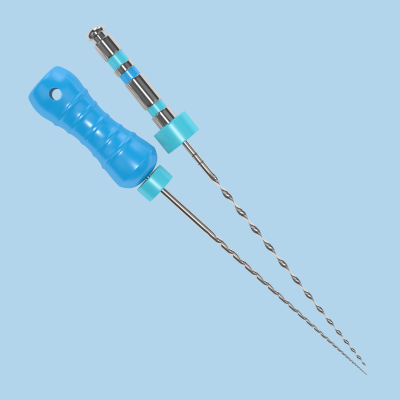)
Quick Endo Guide
Explore the key steps in the endodontic workflow with our snapshot overview, designed to help dental professionals work efficiently, confidently, and consistently at every stage of treatment.
)
Ultimate Endo Guide
Ensure your endodontic treatments are well rounded and reliable with our complete step-by-step guide of the endodontic workflow, created to help you achieve the best outcomes for your patients.
)
Safeguarding Smiles
Protect your patients’ oral health today while better positioning them for the future, with minimally invasive preventive products like Curodont® Repair from vVARDIS.
)
Mastering Molars
Explore why molar root canals are more complex, from curved canals and MB2 detection to irrigation, instrumentation, obturation, and restoration.
)
Mark Topley Sustainability Q&A
Go Practice Green founder, Mark Topley, discusses the importance of sustainable dentistry, and how making small changes in your practice can have a big impact on the planet.
)
Wellbeing In Dentistry
Learn how prioritising wellbeing in dentistry can drive better outcomes, with insights from Chief Dental Officer, Jason Wong, and the founders of BREATHE – the dental wellbeing platform.