


The Definitive Guide to Professional Tooth Whitening is 47 pages of comprehensive advice for Tooth Whitening created with expert contributions from Style Italiano — a leading group of clinicians and researchers specialising in aesthetic and restorative dentistry.

The definitive guide to professional tooth whitening
The Definitive Guide to Professional Tooth Whitening is 47 pages of comprehensive advice for Tooth Whitening created with expert contributions from Style Italiano — a leading group of clinicians and researchers specialising in aesthetic and restorative dentistry.
The definitive guide to professional tooth whitening
The Definitive Guide to Professional Tooth Whitening is 47 pages of comprehensive advice for Tooth Whitening created with expert contributions from Style Italiano — a leading group of clinicians and researchers specialising in aesthetic and restorative dentistry.
The Dos and Don’ts of Professional Tooth Whitening
Products containing or releasing up to 6% HP can be used, when following these dos and don’ts…
DO examine the patient’s teeth
It’s important that you are able to determine whether this is the most suitable solution for them, based on their problem, their needs and what they can afford.
So before any whitening course is agreed upon or started, carry out an initial examination of the patient’s teeth. Use this time to weigh up any potential risk factors and get to know their medical history.
And don’t forget to talk them through the treatment plan, including time frames, products, costs, and side effects.
DON’T risk your patient’s welfare
For some patients, cost is one of the biggest challenges standing in the way of them and their perfect smile. This can drive people to buy fake, non-regulated products online - or even turn to non-dental professionals for help.
Dental Protection also advise that practitioners make a detailed contemporaneous record of the examination and that the patient is provided with whitening instructions at the first appointment.
DON’T try and cheat the system with ‘Medical Devices’
Whilst some European manufacturers are marketing tooth whitening products with over 6% HP (contained or released) as medical devices, these still fall under the same laws.
Even if the product has a CE mark, it cannot circumvent the regulations - Cosmetic Products Regulations 2008, the 2012 Regulations and the EU Directive.
DO promote the treatment
Although there is an increasing demand for whiter, brighter smiles, some patients might be at a loss when it comes to understanding how they can achieve this.
Make sure you educate them on the solutions available and advise them on the most appropriate treatment for them.
And use this as an opportunity to promote and market your treatment options.
DON’T treat patients under the age of 18
The 2012 Regulations and EU Directive clearly state that professional whitening treatments cannot be used on patients under the age of 18.
If you do have a patient under the age of 18 that requires tooth whitening, contact Dental Protection to discuss your options.
Share



Never Miss Out
Sign-up to our mailing list and keep up to date with the latest offers and news.You May Also Like
)
CQC Updates 2026
Stay informed on the latest CQC updates for dental professionals, covering registration, mythbusters, non-rated services, and assessment frameworks.

)
Supporting Hygiene Appointments
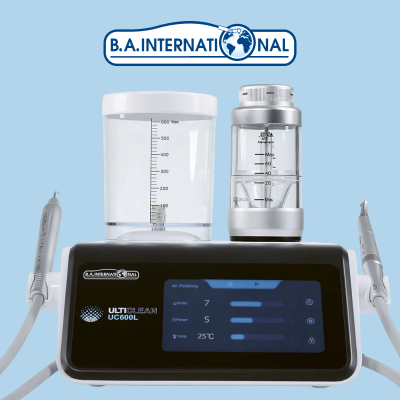
Discover how the BA International Ulticlean UC600L can help you deliver comfortable, flexible and efficient hygiene appointments for modern patients.
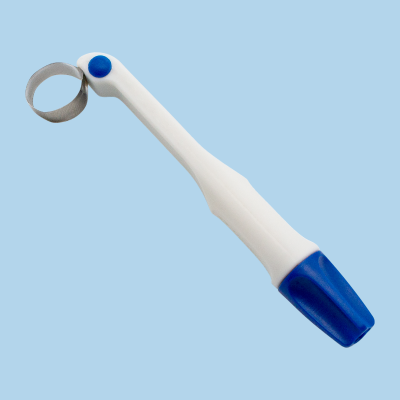)
SafeMatrix Bands
Transform your day-to-day restorative workflow with SafeMatrix – the single-use matrix bands you can rely on.
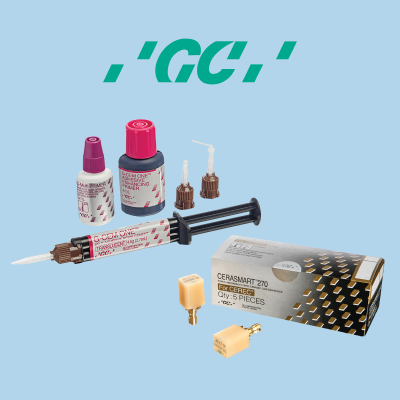)
Digital Restoratives From GC
Streamline digital restorative workflows in your practice with reliable solutions from GC, including CERASMART270 blocks and G-CEM ONE™ cement.
)
Oral Health Awards 2026
The Association of Dental Education in Europe, the European Dental Students’ Association, and Henry Schein grant the 2026 Oral Health Professional Educators’ Awards.
)
The Key To Staff Retention
Struggling with staff retention? mydentist’s chief clinical officer, Nyree Whitley, gives her advice on how you can attract and keep staff in your dental practice by perfecting your basics.
)
Reducing Endodontic Chair Time
Explore how dental professionals can reduce endodontic chair time without compromising care.
)
Dental Disposables Buying Guide
Discover how choosing dental disposables from Henry Schein can support safer, smarter everyday care, from surgery set-up and treatment to changeover and restocking.
)
AI In Dentistry
Discover how AI is shaping dentistry, and how Henry Schein can support responsible, human-centred adoption in your practice. Featuring insights from the Trusted Partner Report.
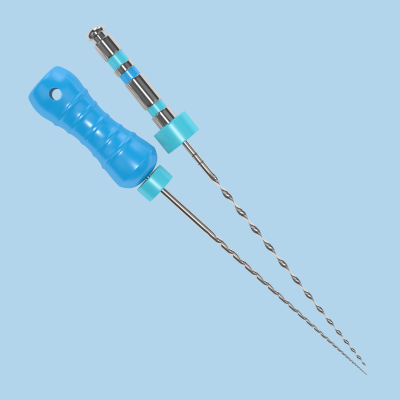)
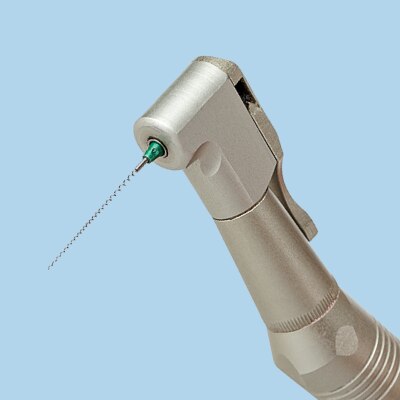
Quick Endo Guide
Explore the key steps in the endodontic workflow with our snapshot overview, designed to help dental professionals work efficiently, confidently, and consistently at every stage of treatment.
)
Ultimate Endo Guide
Ensure your endodontic treatments are well rounded and reliable with our complete step-by-step guide of the endodontic workflow, created to help you achieve the best outcomes for your patients.
)
Safeguarding Smiles
Protect your patients’ oral health today while better positioning them for the future, with minimally invasive preventive products like Curodont® Repair from vVARDIS.