


Why Do Dental Restorations Matter?
Dental restorations are one of the most common treatments required in dentistry, so it's essential that you provide your patients with the highest quality restorations possible.
A great restoration not only improves the function and aesthetics of the patient's teeth, but it can also make a difference to overall oral health and wellbeing. On the other hand, a poorly executed restoration can lead to complications such as further decay, discomfort, and even the loss of the affected tooth.
Patients who are dissatisfied with the results of a restoration are also more likely to switch to a different dentist, which can result in lost revenue and a damaged reputation. Therefore, it's crucial to use quality products and techniques to ensure that every restoration is of the highest standard.

Henry Schein’s blue Etch gel is also self-limiting, so that the ideal etching depth is achieved, and eliminates the potential for incomplete resin impregnation and over-etching. This gel is suitable for use with both dentine and enamel, making it an excellent choice for any type of dental restoration.
Furthermore, it is available in conventional 1.2ml syringes and bulk syringes for refills, as well as eco-friendly packaging with less material waste!
Light-cure bonds
Dental Cement
Dental cement
Dental cements and liners provide a strong, durable bond between the restoration and the tooth structure. Cements are used to attach restorations to the tooth surface, while liners are used to provide a protective barrier between the restoration and the tooth structure.
The Maxima Resin Modified Glass Ionomer Luting Cement is an excellent choice for dentists looking for a high-quality cement. It offers excellent bond strength and long-term durability, two must-haves for a successful cement!
Maxima Resin Modified Glass Ionomer Luting Cement has easy handling for accurate placement, and a fast-setting time to minimise the risk of contamination, while its radiopacity ensures that any issues with the restoration can be easily detected.
Additionally, the Maxima cement is compatible with a variety of restorative materials, including ceramics, metals, and composites, and can resist dissolution and wear over time, ensuring long-lasting results.
Temporary Cement
Temporary cement
When it comes to choosing a temporary cement, you want a material that is reliable, consistent, and delivers ideal provisional restorations accurately. The ideal cement should also have ease of mixing and application, optimised film thickness, and ideal clean-up properties.
At Henry Schein we offer a range of temporary cements that meet all these requirements. Our polycarboxylate-based temporary luting cement is indicated for routine temporisation of provisionals, and the non-eugenol temporary cements are appropriate for patients who are sensitive to eugenol, or in cases where eugenol may affect the polymerisation of other materials.
Henry Schein temporary cements have an ideal viscosity for accurate seating and temporisation. Additionally, the non-eugenol temporary cement will not interfere with resin bonding, making it well suited for provisional cementation of crowns, bridges, inlays, onlays, and endodontic access.
Share



Never Miss Out
Sign-up to our mailing list and keep up to date with the latest offers and news.You May Also Like

National Smile Month 2025
Get involved with National Smile Month and foster better oral health in your communities.

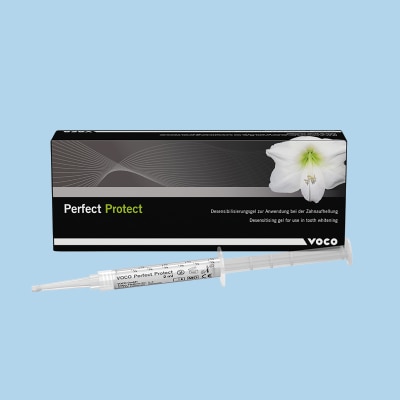
VOCO Perfect Protect
Address sensitivity in whitening patients and increase comfort and satisfaction with VOCO Perfect Protect, the at-home desensitising solution.

Dental Restorations Challenges
Conquer common challenges in restorative dentistry, such as time-consuming impression procedures, moisture-related errors, and fine-tuning restorations.
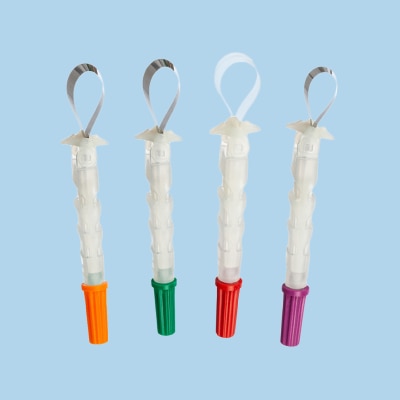
Ultradent Omni-Matrix
Unmatched body design is ideal for both single and simultaneous restorations.
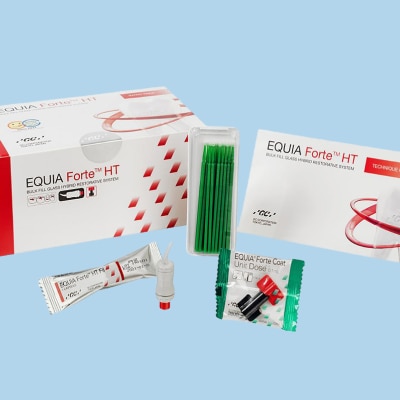
GC Amalgam Alternatives
In the EU, dental amalgam is going to be banned as of January 2025. Make sure your practice is ready with these restorative alternatives from GC.
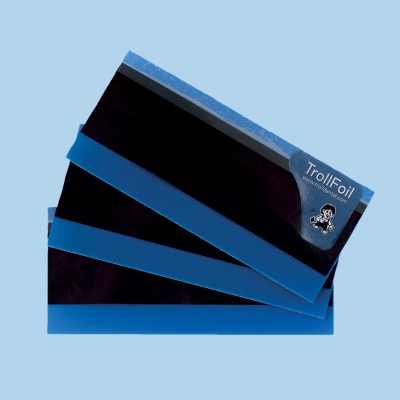
Directa Trollfoil
With TrollFoil pre-mounted articulating foil from Directa, you can ensure your restorative is as accurate as can be with precise occlusal analysis.
Preventive Restorative Dentistry
Learn more about restorative dentistry in preventive care, from early intervention to protecting natural dentition.
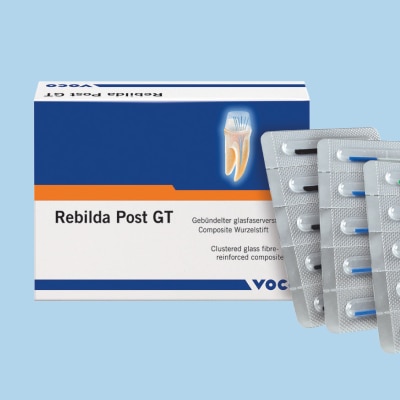
Integrated Workflow
Achieve superior post restorations with Rebilda Post GT, Rebilda DC Fluorescent, and Futurabond U from VOCO.
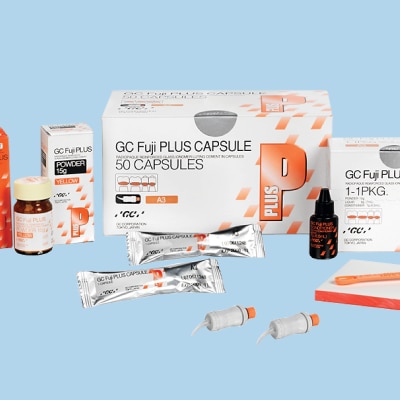
Luting & Cementation Challenges
Luting agents and dental cements are a vital part of dentistry; you need a solution you can trust. But what can make luting and cementing such a challenge?
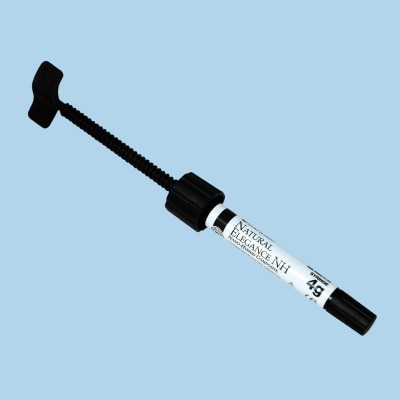
Composite Material
Discover the composite solution for restorative dentistry with HS Natural Elegance NH Composite, offering high polishability, durability, and versatility.
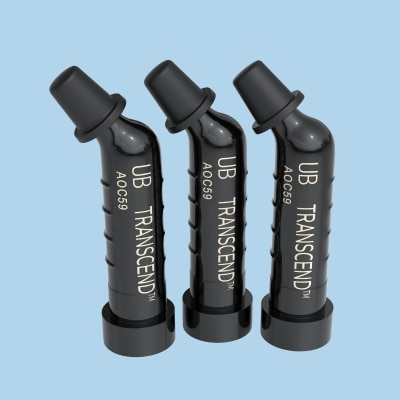
Transcend™ Universal Composite
Discover how Transcend™ Universal Composite from Ultradent creates exceptional aesthetics and ease of use for a wide range of indications.