


The Role of Luting and Cementing in Dentistry
Luting agents, or cements, are materials used to affix restorations such as crowns, bridges, and inlays to natural teeth. They are a vital part of dentistry and you need a solution you can trust. But what can make luting and cementing such a challenge?
Critical Variables:
• Cement viscosity and its impact on handling.
• Pre-treatment of the restoration’s fit surface.
• Working and setting times of cements in clinical practice.
• Ease of cement cleanup post-application.
• Shade selection and compatibility with the underlying tooth colour.
Any one of these can create pain points for dentists, either affecting the quality of the procedure, or exacerbating the time needed.
Simplification and getting back to the basics of what you need from your luting cement can help to solve all of these problem.
Challenges and Solutions: Luting Cements
Restorations Are Not Always Retentive
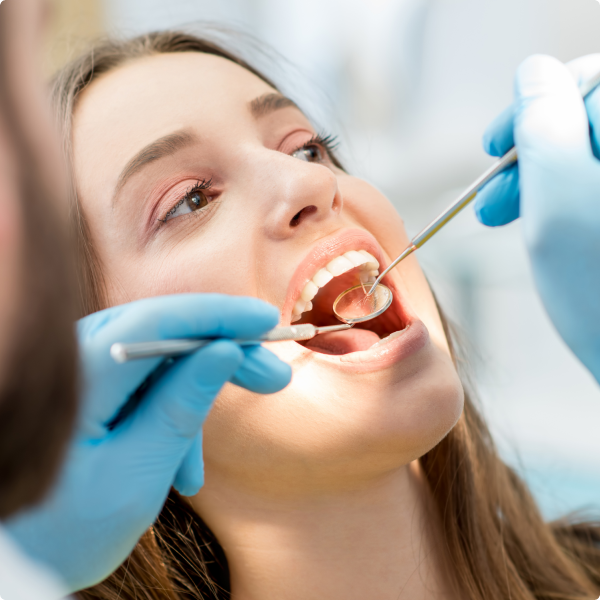
When Luting CADCAM Restorations It Can Be Difficult To Control The Thickness
This can affect the fit of the restoration and therefore its efficacy. In some extreme cases, the design can be difficult to mill making the adaptation critical in the inner part of the indirect restoration. This leads to increased thickness of the cement layer, which in turn increases the shrinkage stress of the cement which can lead to cement peeling and debonding from the tooth surface.
This is illustrated by a paper published in 2016 in the Japanese Society for adhesive dentistry. GC’s solution is again the optional tooth primer called AEP which delivers touch cure technology on the surface of the tooth.
Choosing The Right Luting Cement
In modern restorative dentistry, achieving optimal retention and durability for fixed prostheses is a critical aspect of successful treatment outcomes. With the advent of advanced materials like zirconia and lithium disilicate, the selection of the correct luting cement is more crucial than ever.
But what are the different luting cements, and what is the difference between them?
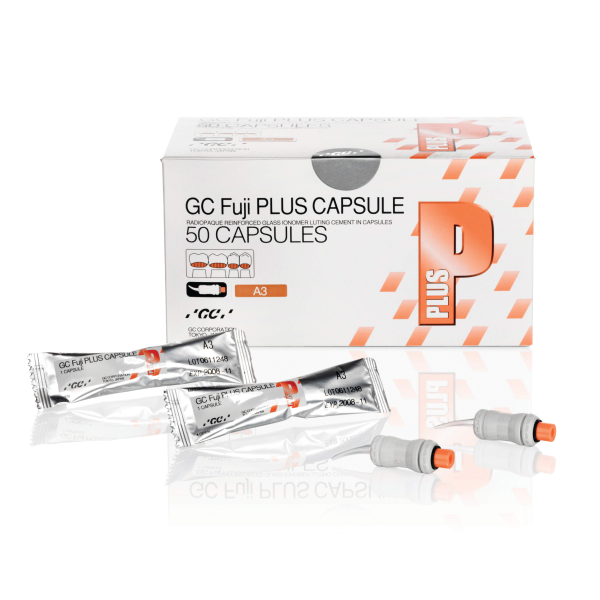
A simple definition of CAD/CAM dentistry is the use of digital software to design and manufacture dental restorations and prostheses. CAD stands for computer-aided design and CAM stands for computer-aided manufacturing. The technology can be used to create crowns, dentures, inlays, onlays, bridges and veneers among other things. The speed of the CAD/CAM process allows for dental prosthetics to be designed, manufactured and delivered to the patient in quick time, sometimes the same day. The wider system of using computer assisted technologies to produce restorations is known as CEREC (Chairside Economical Restoration of Aesthetic Ceramics).
Self-Adhesive Resin Cements such as G-CEM One
Self-adhesive resin cements are another popular choice for luting both zirconia and lithium disilicate restorations. These cements are designed to eliminate the need for separate etching or priming steps, simplifying the bonding process and saving time in the dental office.
- For Zirconia: Self-adhesive resin cements are often the material of choice due to their superior bond strength and ease of use. While zirconia requires surface treatment (e.g., sandblasting or applying a primer), the self-adhesive resin cement will provide a strong mechanical bond. These cements offer excellent retention and are particularly effective in cases where the preparation is well-designed to maximise retention.
- For Lithium Disilicate: Self-adhesive resin cements are equally effective for lithium disilicate restorations. While lithium disilicate has an inherently stronger bond to resin cements, using a self-adhesive resin cement simplifies the procedure without compromising bond strength or longevity.
Share


Never Miss Out
Sign-up to our mailing list and keep up to date with the latest offers and news.Related Articles
)
CQC Updates 2026
Stay informed on the latest CQC updates for dental professionals, covering registration, mythbusters, non-rated services, and assessment frameworks.

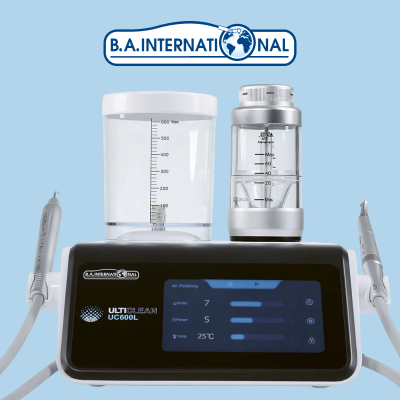)
Supporting Hygiene Appointments
Discover how the BA International Ulticlean UC600L can help you deliver comfortable, flexible and efficient hygiene appointments for modern patients.
)
SafeMatrix Bands
Transform your day-to-day restorative workflow with SafeMatrix – the single-use matrix bands you can rely on.
)
Digital Restoratives From GC
Streamline digital restorative workflows in your practice with reliable solutions from GC, including CERASMART270 blocks and G-CEM ONE™ cement.
)
Oral Health Awards 2026
The Association of Dental Education in Europe, the European Dental Students’ Association, and Henry Schein grant the 2026 Oral Health Professional Educators’ Awards.
)
The Key To Staff Retention
Struggling with staff retention? mydentist’s chief clinical officer, Nyree Whitley, gives her advice on how you can attract and keep staff in your dental practice by perfecting your basics.
)
Reducing Endodontic Chair Time
Explore how dental professionals can reduce endodontic chair time without compromising care.
)
Dental Disposables Buying Guide
Discover how choosing dental disposables from Henry Schein can support safer, smarter everyday care, from surgery set-up and treatment to changeover and restocking.
)
AI In Dentistry
Discover how AI is shaping dentistry, and how Henry Schein can support responsible, human-centred adoption in your practice. Featuring insights from the Trusted Partner Report.
)
Quick Endo Guide
Explore the key steps in the endodontic workflow with our snapshot overview, designed to help dental professionals work efficiently, confidently, and consistently at every stage of treatment.
)
Safeguarding Smiles
Protect your patients’ oral health today while better positioning them for the future, with minimally invasive preventive products like Curodont® Repair from vVARDIS.
)
Mastering Molars
Explore why molar root canals are more complex, from curved canals and MB2 detection to irrigation, instrumentation, obturation, and restoration.