
Ensure you are providing the best endodontic treatment for your patients using our comprehensive step-by-step endodontic workflow guide, featuring product recommendations from trusted brands.
1. Diagnosis
The initial step in the endodontic process involves diagnosis of the issue. Typically, patients report pain or discomfort in a specific tooth or region, prompting a comprehensive examination. During this process, you must establish whether an endodontic procedure is indicated.
Various diagnostic tools and techniques can be employed to assess the tooth and the surrounding structures, allowing for the identification of the underlying cause. This crucial step enables the development of an appropriate treatment plan, tailored to the individual patient's needs, while also helping determine case complexity and treatment approach.
For reliable diagnosis, a radiograph is required, which can be carried out by the traditional use of an X-ray, or a CBCT in more complex cases.


CBCT is typically used in complex cases, retreatments, or when conventional radiographs do not provide sufficient anatomical detail.
A simple definition of CAD/CAM dentistry is the use of digital software to design and manufacture dental restorations and prostheses. CAD stands for computer-aided design and CAM stands for computer-aided manufacturing. The technology can be used to create crowns, dentures, inlays, onlays, bridges and veneers among other things. The speed of the CAD/CAM process allows for dental prosthetics to be designed, manufactured and delivered to the patient in quick time, sometimes the same day. The wider system of using computer assisted technologies to produce restorations is known as CEREC (Chairside Economical Restoration of Aesthetic Ceramics).
4. Shaping
After you’ve gained access, it's time to shape the canals to remove the pulp and any bacteria or debris from the root canals. You will need to work carefully and thoroughly to ensure all pulp tissue is removed, leaving the canals clean and free from infection.
For the best possible shaping, you should have a range of files available for use, providing you with a suitable solution, no matter the canal shape. Creating a glide path prior to rotary instrumentation can significantly reduce stress on files and improve shaping outcomes.
Rotary and reciprocating systems may be selected depending on canal anatomy and clinician preference.
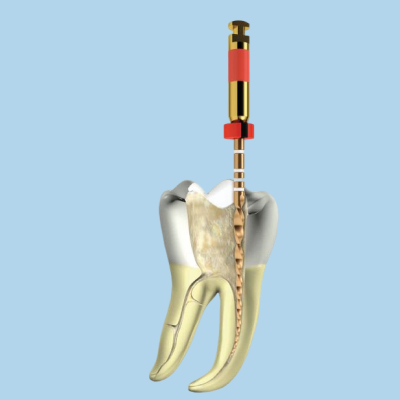
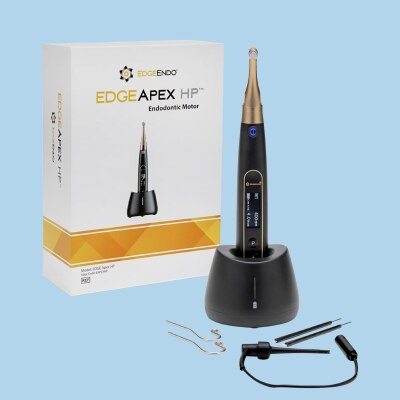
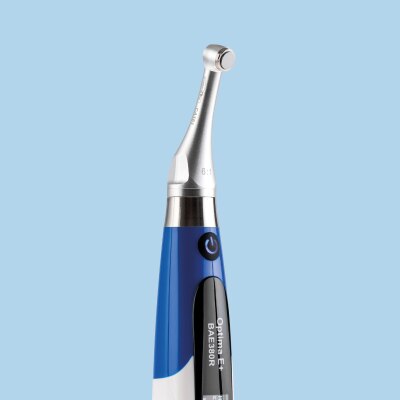
The Endoflex K-file range is flexible enough to navigate anatomy, allowing you to create a sufficient glide path, or to apically gauge. They can also be used alongside the BA Optima or the EDGEAPEX HP motors with built-in apex locators which allow you to accurately find the working length.
For the shaping and finishing phases of preparation, EdgeEndo’s extensive range of products includes a large variety of heat-treated NiTi files, complete with high cyclic fatigue resistance and flexibility – ideal for shaping canals of all complexities.
)
Choosing the ‘right’ file is as much to do with individual preference as it is to do with the clinical case. In rotary file systems, the file rotates down the canal to the apex uninterrupted, offering quick and efficient shaping which can in turn reduce chair time and improve patient experience. In reciprocating file systems, the file cuts in a back-and-forth motion, making it simple to use, and often offering more flexibility and greater resistance to cyclic fatigue.
What are the differences between rotary and reciprocating files?
Choosing the ‘right’ file is as much to do with individual preference as it is to do with the clinical case. In rotary file systems, the file rotates down the canal to the apex uninterrupted, offering quick and efficient shaping which can in turn reduce chair time and improve patient experience. In reciprocating file systems, the file cuts in a back-and-forth motion, making it simple to use, and often offering more flexibility and greater resistance to cyclic fatigue.
What are the differences between rotary and reciprocating files?
Choosing the ‘right’ file is as much to do with individual preference as it is to do with the clinical case. In rotary file systems, the file rotates down the canal to the apex uninterrupted, offering quick and efficient shaping which can in turn reduce chair time and improve patient experience. In reciprocating file systems, the file cuts in a back-and-forth motion, making it simple to use, and often offering more flexibility and greater resistance to cyclic fatigue.
5. Irrigation and Debridement
Once the pulp tissue has been removed, the root canals should be cleaned and shaped in preparation for filling. This step, known as irrigation or debridement, involves using small instruments to remove any remaining pulp tissue, bacteria, or debris from the canals.
It is important that the canals are well cleaned and shaped to allow the filling material to be placed easily and effectively. By using a methodical approach, you can ensure that the tooth is properly prepared for the final stage of the endodontic process.
Effective irrigation is essential for removing bacteria from areas beyond the reach of mechanical instrumentation. Henry Schein offers a range of irrigation solutions including Sodium Hypochlorite 3% to aid disinfection, and EDTA Solution 17% to remove the smear layer and further enhance the disinfection process.
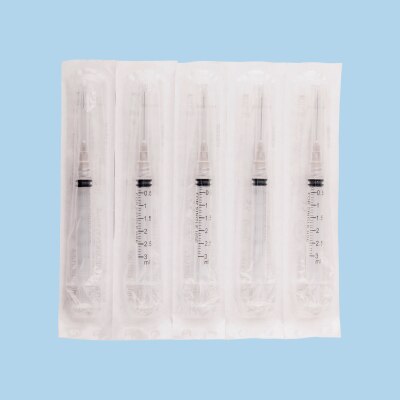
Henry Schein’s disposable Syringe Sterile Luer Locks come in two sizes (27G and 30G) and are side vented, making them a reliable choice as they reduce the chance of apical extrusion. Irrigating needles offer another great option for this step of the endodontic process.
Activation techniques such as ultrasonic or sonic irrigation can further enhance disinfection.
5. Irrigation and Debridement
Once the pulp tissue has been removed, the root canals should be cleaned and shaped in preparation for filling. This step, known as irrigation or debridement, involves using small instruments to remove any remaining pulp tissue, bacteria, or debris from the canals.
It is important that the canals are well cleaned and shaped to allow the filling material to be placed easily and effectively. By using a methodical approach, you can ensure that the tooth is properly prepared for the final stage of the endodontic process.
Effective irrigation is essential for removing bacteria from areas beyond the reach of mechanical instrumentation. Henry Schein offers a range of irrigation solutions including Sodium Hypochlorite 3% to aid disinfection, and EDTA Solution 17% to remove the smear layer and further enhance the disinfection process.
Henry Schein’s disposable Syringe Sterile Luer Locks come in two sizes (27G and 30G) and are side vented, making them a reliable choice as they reduce the chance of apical extrusion. Irrigating needles offer another great option for this step of the endodontic process.
Activation techniques such as ultrasonic or sonic irrigation can further enhance disinfection.
Cold obturation can be suitable when using gutta-percha points with a bioceramic sealer for a controlled, efficient technique. Warm obturation may be preferred where greater adaptation is needed, using heated devices to support the downpack and backfill stages. The best choice depends on canal anatomy, case complexity, and the clinician’s preferred workflow.
When should you use cold vs warm obturation?
Cold obturation can be suitable when using gutta-percha points with a bioceramic sealer for a controlled, efficient technique. Warm obturation may be preferred where greater adaptation is needed, using heated devices to support the downpack and backfill stages. The best choice depends on canal anatomy, case complexity, and the clinician’s preferred workflow.
When should you use cold vs warm obturation?
Cold obturation can be suitable when using gutta-percha points with a bioceramic sealer for a controlled, efficient technique. Warm obturation may be preferred where greater adaptation is needed, using heated devices to support the downpack and backfill stages. The best choice depends on canal anatomy, case complexity, and the clinician’s preferred workflow.
9. Restoration
Following successful obturation, the final stage of the endodontic workflow is restoring the tooth to full function and aesthetics. This step is essential in ensuring the long-term success of the treatment, as even a well-executed root canal can fail if the coronal seal is compromised.
A strong, durable restoration protects the remaining tooth structure from fracture while preventing bacteria from re-entering the canal system. Depending on the clinical situation, this may involve a direct restoration or a more complex solution such as a crown.
It is important to minimise the time between obturation and final restoration, as delays can increase the risk of contamination and compromise treatment outcomes. By planning the restoration early in the workflow, you can ensure a smoother and more predictable treatment process.
At Henry Schein, we offer a wide range of restorative materials and solutions to support you in achieving a reliable coronal seal and long-lasting results for your patients. Shop our restorative products here.
)
The Restoration Workflow
Discover Henry Schein solution for a seamless restorative workflow, enabling you to complete strong and long-lasting dental restorations every time.
10. Retreatment And Managing Complications
While many endodontic treatments are successful, there are cases where retreatment may be required. This can occur when infection persists, new symptoms develop, or when initial treatment has not fully addressed the complexity of the canal system.
Common causes of endodontic failure include:
- Missed or untreated canals.
- Incomplete disinfection.
- Poor obturation or sealing.
- Coronal leakage due to restoration failure.
Retreatment involves carefully removing existing filling materials, recleaning and shaping the canals, and addressing any previously untreated anatomy. This process can be more complex than primary treatment and often requires enhanced visualisation and precision.
Using magnification, advanced imaging, and specialised instruments can help improve outcomes in these cases, allowing you to identify challenges more clearly and treat them effectively.
If you’re unsure which products would be best suited to you, our dedicated experts can help. Contact us here.
)
Shopping With Henry Schein
Learn why dental professionals across the globe choose Henry Schein as their trusted healthcare solutions provider, for more than just dental supplies.
11. Workflow Efficiency and Clinical Optimisation
As endodontic techniques and technologies continue to evolve, there is an increasing focus on improving efficiency without compromising clinical outcomes. A well-optimised workflow allows you to work more predictably, reduce chair time, and enhance the overall patient experience.
By reviewing each stage of the endodontic process, there are opportunities to streamline your approach. This may include selecting instrumentation systems that reduce the number of steps required, or integrating devices that combine multiple functions, such as motors with built-in apex locators.
In suitable cases, single-visit endodontics may offer additional efficiencies, reducing the need for multiple appointments while maintaining high standards of care.
Consistency is also key. Using systems and protocols that you are familiar with can help reduce variability and improve confidence across different case types.
Want to know more?
Read our other endodontic blogs here:
)
The Evolution Of Endodontics
Discover how switching to a safer, speedier reciprocating file system could simplify and streamline your endodontic workflow.

)
Making Endodontics Easier
Discover our endodontic specialist’s expert tips and advice on how you can make root canal procedures smoother, more efficient, and ultimately easier.
)
Discover The EdgePower Range
Henry Schein UK has extended the EdgeEndo® portfolio with the new EdgePower range of endodontic handpieces and accessories.
)
Improve Coronal Seal
Ensure your endodontic workflow is sealed for success with Dentsply Sirona’s proven root to crown workflow solutions.
)
Streamlined Endodontics
Streamline your endodontic treatments with B.A.International’s Optima E+ Endo Motor with built-in apex locator.
)
Controlled Endo Irrigation
With the HS Endo Syringe with Irrigating Needle, you can equip your practice with a solution for effortless, safe, and efficient endodontic irrigation.
What are the key stages of the endodontic workflow?


When should CBCT be used in endodontic diagnosis?
Why is magnification important in endodontic treatment?
How can clinicians improve access while preserving tooth structure?
How should clinicians approach shaping in endodontics?
What is the role of irrigation and debridement in endodontic treatment?
Why are drying, sealers, and obturation important to long-term success?
Why choose Henry Schein for endodontic products and workflow support?
Share