The Future of Dentistry: A Q&A with John Maloney on Innovation, Challenges, and Opportunities
John Maloney, the Director and Country Manager for GC in the UK, Ireland, and South Africa, has been at the forefront of the dental industry for years. As a leading supplier of dental materials and solutions, GC has a long-standing reputation for innovation and excellence, supporting professionals worldwide with cutting-edge technologies and materials.
At BDIA showcase this year, we had the opportunity to sit down with John to discuss the key trends shaping dentistry between now and 2030, the impact of new materials and digital technology, and the challenges facing the industry today. Here, John shared his perspective on the future of dental practice and how professionals can best prepare for the changes ahead.

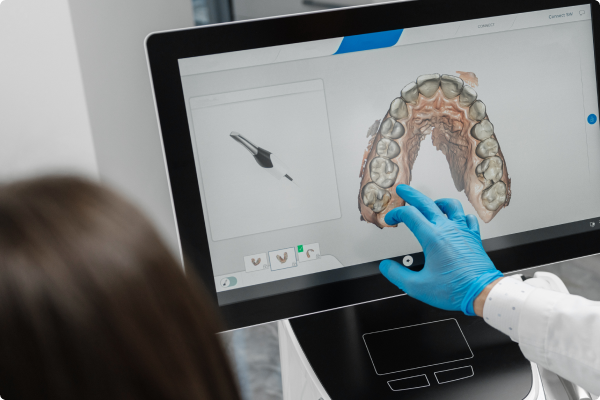
Another major development will be the seamless integration of digital workflows. By 2030, I believe every patient who walks into a dental practice will have an intraoral scan as part of their examination and routine care. AI-powered software can already provide instant reports on soft tissue health, morphological changes, and other diagnostic factors. This technology will enhance patient engagement by offering immediate visual feedback, which is particularly beneficial for treatment planning and the patient journey.
Additionally, we expect to see significant improvements in dental materials. Fibre-reinforced materials, for example, will play a larger role in restorative dentistry. While we can never fully replicate natural tooth structure, these materials are evolving to better match the compressive strength and modulus of enamel and dentin, enabling more conservative and protective treatments.

As digital dentistry continues to grow, what do you see as the next big leap in this space?
JM: The next major leap will be improvements in scanning technology. We’re already seeing widespread adoption of intraoral scanners, even among practitioners who were previously reluctant to move away from traditional impressions. Many of the scanner sales today are not first-time purchases but additional units for practices that are expanding their digital capabilities.
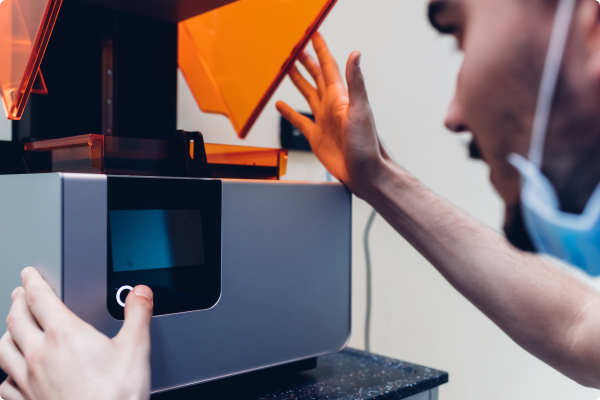
One exciting development is the progress in 3D printing for restorative and orthodontic applications. Imagine a scenario where a patient is scanned in the chair, and their first aligner is printed on-site before they even leave the practice. We’re not far from that becoming a real reality.
Similarly, we’re seeing advancements in printable permanent materials - restorations that can be printed, polished, and cemented chairside. These innovations will significantly streamline workflows and enhance efficiency in dental practices.
For dental professionals looking to future-proof their practice, what investments - whether in technology, education, or equipment - are most essential?
JM: It’s not just about investing in technology and materials; it’s also about investing in people. The role of dental therapists, for example, is becoming increasingly vital for the provision of care across all patient bases. Many Industry and professional voices have long advocated for the further integration of therapists into practices to enhance efficiency and patient care.
Currently, around 70% of dental therapists are only performing hygiene treatments, rather than utilising their full scope of practice. By better integrating them into restorative care, practices can significantly improve access to treatment and overall efficiency
Of course, technology remains important as well. Digital workflows, intraoral scanning, and 3D printing are all key areas where investment can drive efficiency and improve patient experience. But at the core of it all, the most successful practices will be those that strike the right balance between cutting-edge technology and well-trained, highly engaged teams.