An interview with Anushika Brogan, founder and CEO of Damira Dental Studios, to discuss her journey to becoming a multi-practice owner.
How did Damira Dental Studios begin, and how have you grown your business into what it is today?
Anushika Brogan: I bought my first practice in 2003 – I didn't really know what I was doing at all at that time, but I was sure I could learn as I went along. I managed to grow to four surgeries in the first couple of years before taking a year off on maternity leave with my second child. When I returned to work, my practice was associate led and had paid itself off. At that point I realised I had a good business model, but I wanted to try something different.
I'd always wanted to own multiple practices, but I was put off in my younger years. Still, I bought another practice, but this time I changed the business model slightly. I bought a dated NHS practice and I refurbished it, adding in extra surgeries, making it more open plan, and modernising it, and started offering private dentistry which was a success. At that point, I realised I had something I could really grow.
So then I bought more practices doing the same thing: buying cheap, adding value, paying it down a bit, and then buying another. But it wasn’t always smooth sailing. I ended up in a difficult position where I lost quite a few of my practices through divorce. But I started again. And slowly, steadily, things started to grow, and today we have 42 practices.


How important is it to have a strong team around you when growing your dental business?
AB: It is absolutely essential to have the right teams. Our teams have changed a lot as we've grown, because one way to make growth successful is to adapt according to the size and the needs of the business.
For example, when we first started out, I had a practice manager who was responsible for overseeing multiple sites under my direction, whereas by the time we reached 20 practices, the business had changed, and my teams were more capable of working by themselves.
What lessons have you learned on your journey to becoming a multi-practice owner?
AB: Just as you would as a dentist, you have to keep an open mind. I learn new things every single day. Being agile is really important because you need to move quickly to give yourself an advantage in the market – you can’t be afraid to change paths.
My team joke that one minute our strategy is to slowly build on our existing practices, but then a tender will come out suddenly we’re all about winning that tender and setting up another site. You've got to be flexible.
For example, at the moment, there are loads of NHS tenders coming out. The interest rates are a little high so people aren't buying, but there's lots of deals to be done, so if you're in a position to buy, it's a great time to. I was planning to consolidate over the next couple of years, but I'm not going to miss this opportunity. I think success is about spotting the right opportunities and taking them as they come along.
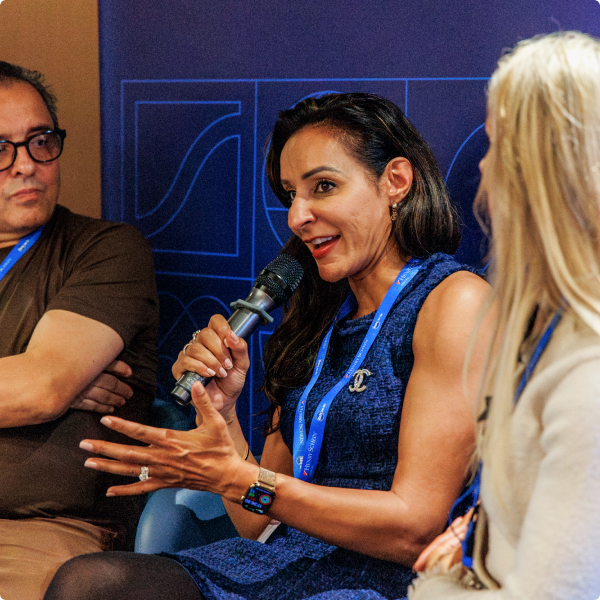
If you have business acumen and the right skillset, then you shouldn't be afraid to take the plunge [to multi-practice ownership].

If you have business acumen and the right skillset, then you shouldn't be afraid to take the plunge [to multi-practice ownership].
What was the best decision you made when you started out in dentistry?
AB: The best decision I ever made was to buy a practice. I think it's also the hardest decision you'll ever make as an associate because it's such a big risk, and it's not for everybody. But if you have business acumen and the right skillset, then you shouldn't be afraid to take the plunge. And if you’re not business-minded, then stay as a clinical dentist and enjoy that instead.
There is a lot of stress that comes with running a big corporate, and you need strength of mind to deal with the daily issues that happen. But everything is fixable. Our business is a safe space, and if things go wrong, we don't have a blame culture at all. We assess which process failed, and what we need to improve to make it work better in the future. You can't foresee every problem that might happen, but you can learn from them, and in turn make your business bigger and stronger.
;)
Dental Practice Sales
Buying or selling a dental practice can be daunting. At Henry Schein Dental Practice Sales, our team of experts understand every aspect of the process.