


A successful whitening outcome isn’t just about having the right gel, it’s about patient communication, clinical control, and confidence in the product. Choosing the right whitening system can transform not just patient results, but also team engagement and treatment uptake. When you have a predictable, effective, and comfortable system in place, whitening becomes a streamlined, satisfying part of everyday dentistry.
To help dentists navigate these challenges and unlock whitening’s full potential, we spoke with Roxane Forestal, a Whitening Sales Specialist at Henry Schein. Here she shares practice insights drawn from clinical conversations, product knowledge, and real-world feedback from practices across the UK.
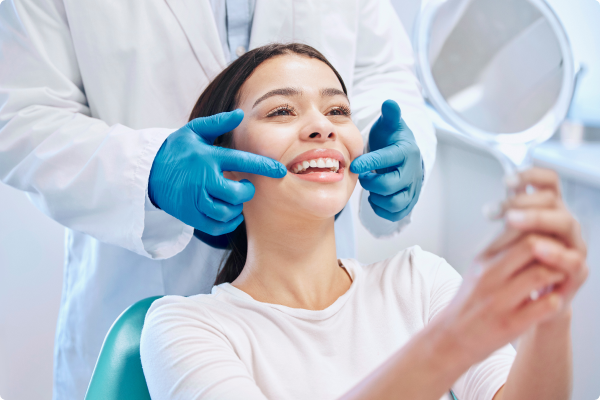
Another key issue is patient expectations. Many people assume whitening will give them an ultra-bright, celebrity-level smile overnight, But results depend on starting shade, enamel thickness, habits like smoking or coffee consumption, and even genetics. Unless these things are clearly discussed from the start, patients can be disappointed, even if the treatment worked exactly as it should.
Sensitivity is also a challenge that can’t be overlooked. Even if it’s temporary, it can put patients off completing their treatment or discourage them from doing top-ups in the future. If a dentist doesn’t have the right tools or protocol to manage this, the patient might avoid whitening altogether, or even go to a competitor.
Finally, with so many whitening systems available, dentists may find it difficult to identify one that consistently delivers great results and integrates and integrates well into their workflow.
3. What advances in whitening product technology have had the biggest impact on patient comfort and outcomes?
RF: One of the most important developments is the availability of clinically effective low-concentration gels. In the past, high concentrations were often the only option for strong results, but that also meant higher rates of sensitivity. Today, we have 5% carbamide peroxide gels that deliver excellent results while being gentle enough for sensitive patients.
Another huge improvement is the inclusion of built-in desensitising agents in the gels themselves. This removes an extra step for the clinician and gives patients a smoother experience from start to finish. In White Dental Beauty products, for example, the potassium fluoride really supports the enamel and helps to avoid that sharp zinging pain that can put people off whitening altogether.
The viscosity and stability of the gel are also better than they used to be. A well-formulated gel stays in place, doesn’t leak, and remains active for the full wear time. This improves both patient comfort and overall effectiveness.
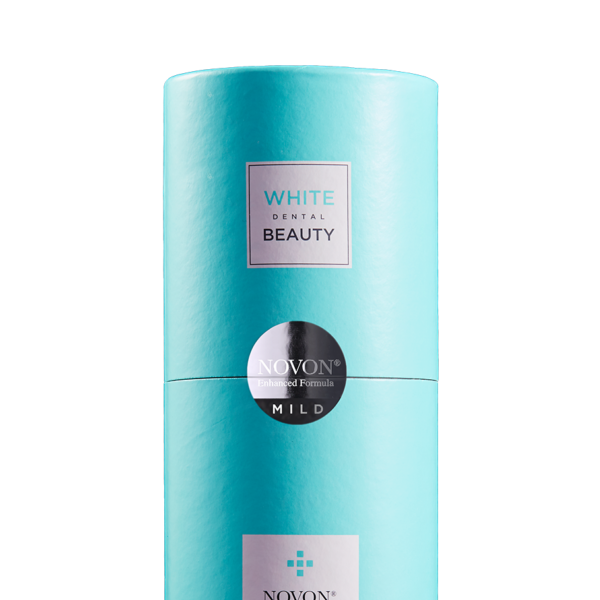
NOVON technology, which can be found in White Dental Beauty, is also a huge leap forward in whitening science. NOVON is a compound that enables improved whitening over less treatment time – the best of both worlds – with a ‘pH jump’ into the alkaline range, which releases perhydroxyl ions, which in turn promote faster whitening.

4. With so many whitening products on the market, how can dentists identify a system they can really trust?
RF: Start by looking at the clinical evidence. Is the product backed by research? Has it been developed with input from dental professionals? For example, White Dental Beauty is manufactured by Optident – part of the Henry Schein group – and its formulas have been refined through years of feedback from practices dentists.
Also, check for regulatory compliance. You won’t have this concern if shopping through a trusted brand like Henry Schein, but if searching elsewhere, it’s best to be vigilant. Products used in the UK must meet strict safety standards, but unfortunately, not all whitening systems sold online meet those requirements. Make sure the product is fully compliant and comes from a trusted manufacturer.
And finally, evaluate the support behind the product. Whitening works best when the whole team is confident in how to present it, deliver it, and follow up. A good supplier should offer training, marketing support, and ongoing guidance, to make whitening a seamless part of your practice.

5. What are some common misconceptions patients have above whitening, and how can dentists address these effectively?
RF: The most common one is that whitening results are instant and permanent. Patients often expect to see a dramatic change after just one or two nights, and they think it will last forever. So the key here is education; helping them to understand that whitening is a gradual process, and that results need to be maintained over time. When patients have a comprehensive understanding, treatment compliance, and ultimate satisfaction increases.
Another big myth is that whitening will damage teeth. Patients may have read horror stories online or had bad experiences with over-the-counter products. It’s important to reassure them that professionally dispensed gels are safe and do not harm enamel.
There is also some confusion about what whitening can and can’t do. It won’t work on any restorations or veneers, and it may not dramatically shift the shade for everyone. Managing these expectations upfront builds trust and ensures satisfaction with the outcome.

6. How important is it to set realistic expectations around shade improvement and maintenance with patients?
RF: It is absolutely critical. The patients who are happiest with their whitening outcomes are often not the ones who had the brightest results, but the ones who knew what to expect. Set clear goals together. Use a shade guide to show them their current colour and what’s achievable. That way, they feel involved and informed.
It’s also essential to discuss maintenance. Lifestyle habits like smoking, red wine, coffee, and even natural aging will cause shade relapse over time. Help patients build a whitening plan that includes top-up treatments tailored to their needs.
White Dental Beauty Strips are also a great way to offer patients a hassle-free on-the-go method of boosting and topping up their smiles.
8. What should practices consider when choosing a whitening system for their team and their patient demographic?
RF: The system should be easy to integrate, both clinically and logistically. If the team finds it complicated or inconsistent, they won’t feel confident offering it. You want a product that’s reliable, well-packaged, and supported by resources that help you market it properly.
Also, look at your patient base. Are they younger professionals, image-conscious, and time-poor? Or older patients with sensitivity concerns? The right whitening system should have options to suit different patient types, and it should fit seamlessly into your workflow, from consultation through to follow-up.
9. If a dentist is on the fence about offering whitening or expanding their whitening services, what would you say to them?RF: I’d say give It another look. Whitening isn’t just a cosmetic add-on. It’s a gateway to patient engagement. Patients who invest in their smile are more likely to take up other aesthetic or restorative treatments. Whitening starts conversations about oral health and leads to more comprehensive care.
It’s also a great way to energise your team. When they see patients excited and satisfied, it brings positivity into the practice. With the right system in place, whitening can be simple, profitable, and genuinely rewarding, for the clinician and the patient.
10. What’s one small change dentists could make that would have a big impact on their whitening offering and patient satisfaction?
RF: Talk about it more - everywhere in the practice. Whitening should be a natural part of treatment discussions. It doesn’t have to be pushy. Ask questions like, “Have you ever considered whitening?” or “Would you like to know how we could brighten your smile?”
You can even offer patients a short questionnaire while they’re in the waiting room, asking if they would like to talk about whitening today, so that you know before whether to broach the topic. Furthermore, don’t let the conversation end at price, if a patient is interested but concerned about budget, you should be able to discuss payment plans or more affordable solutions.
Also, make sure your team is trained and confident. When receptionists and hygienists can answer questions about whitening, it opens the door for more patients to get involved. That one small shift in team communication can significantly boost uptake and satisfaction.

Never Miss Out
Sign-up to our mailing list and keep up to date with the latest offers and news.You May Also Like
 "Horizantalcarousel")
Heading

Heading
Heading
Heading