


 Back
Back






















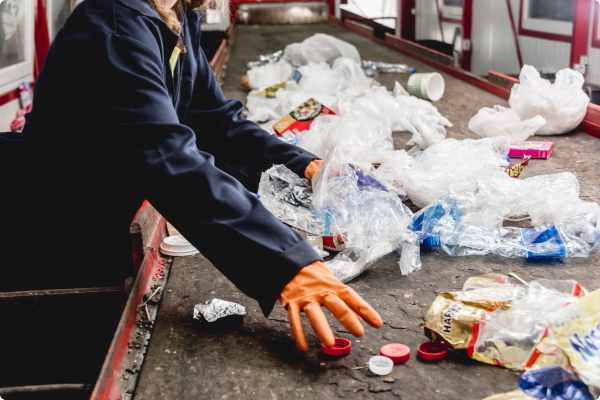
The simplest and most effective way to do your part, is to recycle.
The range of materials that can be easily recycled is steadily increasing and differs from area to area, so make sure you’re up to date on everything that can be recycled in your local area, by checking here! Make sure you have clearly marked recycling bins in your dental practices, and keep staff up to date on the regulations.
Many materials that aren’t widely recycled can be recycled at purpose-built collection points. For example, many supermarkets now have collection points for soft plastics, to help reduce the environmental impact caused by the plastic packaging and bags used in products they offer.
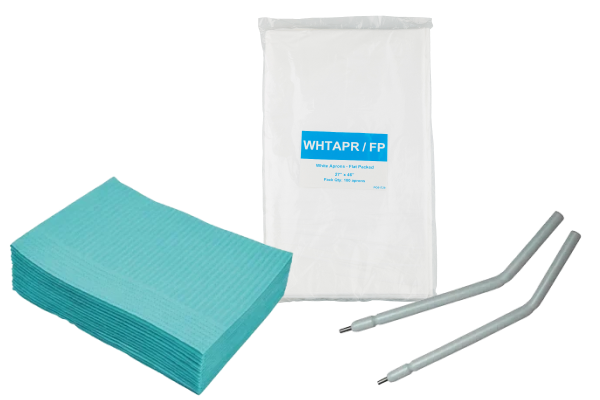
At Henry Schein, we have partnered with Initial Medical, a company with extensive expertise in healthcare waste management. Initial Medical offers tailored solutions designed specifically for the unique needs of dental practices; the bespoke service ensures that waste management in your practice is made as efficient as possible.
From conducting comprehensive practice surveys to providing customised recommendations and implementing sustainable solutions, Initial Medical guides dental practices throughout the entire process. Their commitment to supporting sustainable choices is also upheld by their range of environmentally friendly waste containers.
By partnering with Initial Medical, dental practices can turn sustainable healthcare waste management into a reality. Together, we can navigate the complexities of waste disposal regulations while making conscious choices that promote a greener future for our industry and the planet.
- Lighting optimisation: Implementing smart lighting solutions, such as motion sensors and timers, which ensures that lights are only active when necessary. Natural lighting should also be maximised whenever possible, reducing reliance on artificial lighting during daylight hours.
- Equipment Management: Encourage staff members to power down equipment when not in use. This includes turning off computers, monitors, and other non-essential devices during breaks and at the end of the day. By practicing diligent equipment management, unnecessary energy consumption can be eliminated.
- Energy audits: Consider conducting energy audits to identify areas of excessive energy consumption within the practice. Professional auditors can assess energy usage, identify potential inefficiencies, and recommend strategies to reduce energy waste.
- Staff education and engagement: Raise awareness among staff members about the importance of energy conservation and involve them in the process of reducing energy waste. Encourage practices such as switching off lights in unoccupied rooms, optimising temperature settings, and promoting a culture of energy consciousness throughout the workplace.
- Renewable energy sources: Explore the possibility of incorporating renewable energy sources, such as solar panels, into your practice. Generating clean energy on-site can offset electricity consumption and reduce reliance on non-renewable energy sources.

Share


