


Waste
In a dental practice, a large amount of plastic waste is produced. Dental practices can limit the purchase of plastic and plastic-packaged items for many areas, encourage recycling of plastics, and other packaging material such as glass or paper, and can liaise with manufacturers about their use of plastic to reduce the “burden” of plastic in dental practices.
You should also ensure that you have systems in place to control waste products such as batteries, dental radiography fixer, processing chemicals and clinical waste, and regular stock audits to identify items close to expiry, reduce over-ordering and the need to dispose of out-of-date chemicals, and products to landfill. A well audited stock system will help to reduce the frequency of ordering, especially when stock requirements are more accurately predicted.

Paper
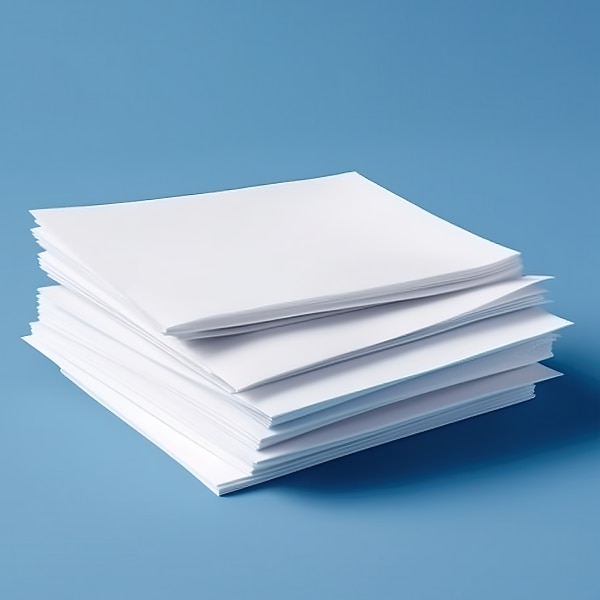
To reduce the amount of paper purchased, practices can – depending on the topics – begin using digital media such as email or text messages to communicate with their patients and team members. Reducing paper used when needed in practices can also be achieved by using double-sided printing and photocopying.
An important asset to reduce the use of paper is also the introduction of a practice management software. From convenient and simple online appointment booking to digital anamnesis and automatic invoicing to a complete documentation of cleaning, sterilisation and disinfection processes, modern health care software systems fulfil many important organisational requirements in the daily practice routine, help to increase efficiency, and at the same time save paper for documentation and communication purposes.
Chemicals
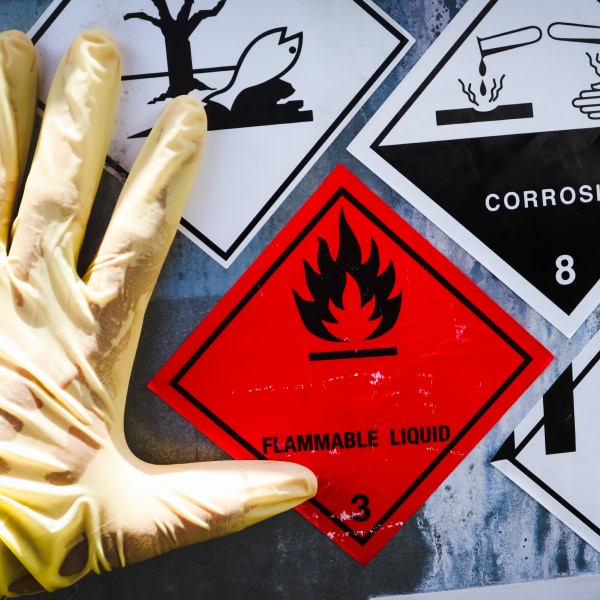
For dental treatment procedures, many chemicals are used and needed. These include amalgam, cleaning, and disinfectant products, radiography equipment, and possibly Nitrous Oxide, used for sedation. Practices should ensure that they have systems in place to control and dispose according to regulations when it comes to the use of hazardous substances such as mercury amalgam and cleaning chemicals.
Dental teams can reduce their environmental impact by reviewing routine procedures and checking alternatives, such as using environmentally safer products when possible.
Share


You May Also Like
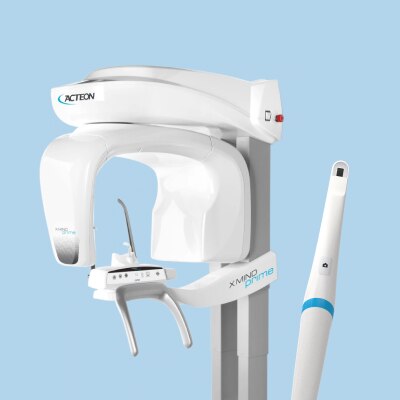)
Acteon Workflow
Acteon offers state-of-the-art 2D and 3D imaging equipment designed to revolutionise dental X-rays and maxillofacial diagnostics

)
)
White & Co
Anisha Patel, owner of the White & Co. independent group of dental practices explains how she came to open her latest premium practice, on the site of her dreams.
)
Happy Kids Dental
Roksolana Mykhalus, co-owner and director of Happy Kids Dental tells us about how and why this squat private practice has been designed to bring a totally new approach to children’s dentistry in the UK
)
L&H Dental
When space was limited, and with a busy dental practice to run, it was time to call in the experts
)
)
Lodge Dental: How I Did It
Chris Lodge talks us through the journey of Lodge Dental in Abergavenny
)
)
)
)
Bluebell Dentistry & Aesthetics
Witness a remarkable transformation – evolving from a modest dental practice into a cutting-edge facility spanning three floors with nine surgery rooms.
)