


Practice Green: Healthy Patients, Healthy Planet
The dental industry generates a significant amount of waste and consumes vast amounts of energy and water[1], all of which feed into a large carbon footprint. We are all becoming more environmentally conscious in our daily lives, but don’t let the environmental impact of your dental practice be forgotten, do your part by increasing sustainability wherever you can.
Kickstart your journey to sustainable dentistry with Practice Green, a Henry Schein initiative that promotes sustainable dentistry and helps dental practices become more eco-friendly. By implementing sustainable practices, dental professionals can protect the planet while providing high-quality dental care.
Going green can seem like an impossible task, but even small changes have a big impact. Keep reading to uncover five easy to implement top tips for practicing sustainable dentistry!

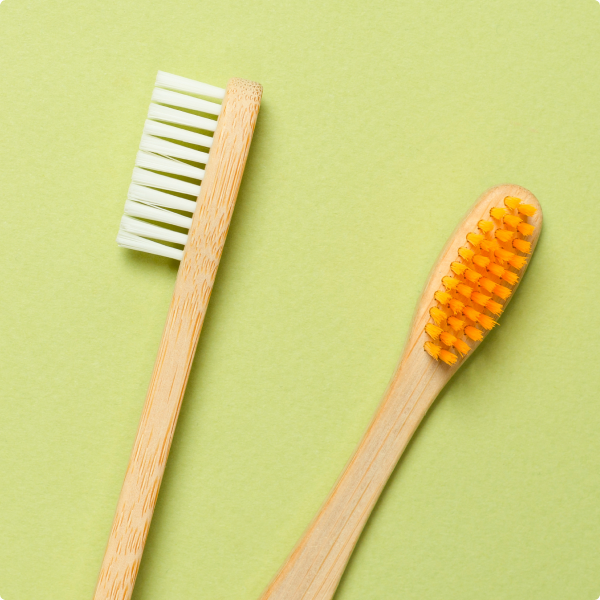
Reduce Waste
Dental practices generate a significant amount of waste, especially from single-use plastics like packaging materials and instruments.
However, there are many ways to reduce waste and promote sustainable dentistry. For instance, dental practices can implement a recycling program and prioritise reusable items.
Wherever safe and hygienic to do so, replace single-use items with reusable options such as cloth towels, sterilisable instruments, and durable instruments. Dental practices can also reduce waste by avoiding excessive packaging and ordering supplies only as needed.
If you’re willing to go the extra mile then examine the supply chain of the products you order, is it green? Is there a green option you can switch to? Can you feedback to suppliers that you want green options, so they know there is a demand?

Educate and Involve Your Team
Sustainable dentistry requires the participation of the entire dental team. Educating staff and providing training on sustainable practices can help ensure that everyone is doing their part to reduce the environmental impact of the practice.
Perhaps you could introduce a cycle to work incentive, or organise carpools to cut down on car emissions?
Encourage your staff to come up with their own sustainability ideas and initiatives, make it a team effort to enhance participation and ensure everyone is working towards the same goal.
No one knows your team as well as you do, invite them into the conversation and develop and initiative that works for you.
The best way to reduce the environment impact of all the above? Prevention.
Simply put: if a patient does not need treatment, they will not add to the environmental impact of any of these factors.
Dental and oral health problems will never be eradicated, but by educating your patients and doing whatever you can to promote healthy dental hygiene, preventable dental health issues can be minimised.
Reducing the soaring demand for preventable dental treatments will help to reduce the global impact of the sector.
In the end, healthy patients will help us achieve a healthy planet.
Share


You May Also Like
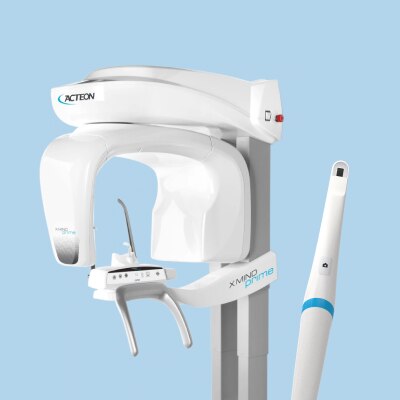)
Acteon Workflow
Acteon offers state-of-the-art 2D and 3D imaging equipment designed to revolutionise dental X-rays and maxillofacial diagnostics

)
)
White & Co
Anisha Patel, owner of the White & Co. independent group of dental practices explains how she came to open her latest premium practice, on the site of her dreams.
)
Happy Kids Dental
Roksolana Mykhalus, co-owner and director of Happy Kids Dental tells us about how and why this squat private practice has been designed to bring a totally new approach to children’s dentistry in the UK
)
L&H Dental
When space was limited, and with a busy dental practice to run, it was time to call in the experts
)
)
Lodge Dental: How I Did It
Chris Lodge talks us through the journey of Lodge Dental in Abergavenny
)
)
)
)
Bluebell Dentistry & Aesthetics
Witness a remarkable transformation – evolving from a modest dental practice into a cutting-edge facility spanning three floors with nine surgery rooms.
)