An informational article on how to tackle common issues associated with mixed dental practices, such as streamlining admin and finances, keeping consistent branding, managing patient and staff expectations, maintaining regulatory compliance, and futureproofing your business.

“How can I manage patient expectations between NHS and private dental treatments?”
Although your quality of care should remain consistent for both NHS and private patients, it is vital that patients and staff understand the differences between NHS and private dental treatments to ensure patients are not left confused or dissatisfied.
Good patient communication is key: ensure you provide clear treatment options, and specify the differences between NHS and private options, including the costs. An effective method for this could be to display posters containing comparison charts or clear visuals to illustrate the differences, or providing information packs to new patients. To ensure patients are receiving consistent messaging, consider producing a script for staff, and allocate a point person who can navigate any grey areas or discrepancies.
If possible, assign separate hours or days for private appointments, to reduce confusion and mental fatigue for staff. Ensure treatments are clearly standardised to keep them consistent for both NHS and private patients, and to provide clarity for staff.
“How can my mixed practice reduce UDA pressure, and improve staff retention?”
NHS dentists will understand the pressure of hitting UDA targets, and juggling this with the management of private treatments on top can quickly lead to clinician burnout and stress.
Incorporating software that monitors UDA performance is a great way to provide insight into any underperforming areas so you can adjust your workflow accordingly. Monitoring your progress throughout the year will allow you to address any concerns early on, allowing you to set more realistic targets going forward.
Where possible, incentivise staff performing NHS treatments by setting individual UDA targets, and offer hybrid contracts so practitioners can share NHS and private contracts for more flexibility. Consider blending NHS check-ups with private hygiene or cosmetic treatments to expand income avenues.
Finally, ensure you are encouraging an inclusive work ethic which welcomes open communication, allowing staff to speak out if they have any concerns or feedback.
)
Dental Desert Solutions
Learn more about why we are seeing dental deserts and effective recruitment strategies to overcome staffing challenges.
The NHS has a bit of a bad rap sometimes, but it is a vital asset. If it suits your business, I think there should be an equal balance between NHS and private dentistry.

The NHS has a bit of a bad rap sometimes, but it is a vital asset. If it suits your business, I think there should be an equal balance between NHS and private dentistry.
“How can I streamline admin, billing, and financial management in my mixed practice?”
Managing two separate systems can allow more room for error, but designating enough time for your admin work can be tricky when patient demands are high, resulting in stress, appointment delays, and an inefficient workflow.
Proper planning is vital for time management, so ensure you are scheduling appointments realistically and not overbooking, referring patients elsewhere if necessary.
Integrating practice management software can provide an excellent solution to managing both NHS and private billing in one area, and having different staff members allocated to manage NHS or private admin separately can reduce confusion and ensure compliance. Regularly review your income split between NHS and private treatments to allow accurate forecasting.


“What steps can I take to futureproof my mixed dental practice?”
Whether you are running a mixed practice, or a solely NHS or private practice, concern for the future of your business and the dental industry as a whole are to be expected. With rising costs and an under-funded NHS affecting dentists and patients alike, feeling concerned about your practice’s longevity is valid. But it’s not all doom and gloom.
By branching out as a mixed model practice, you are already expanding your income and clientele avenues. You should continue to monitor this to evaluate whether your NHS contract remains viable: if this isn’t working for you, you may wish to focus more heavily on private dentistry. This transition doesn’t have to be immediate – you can gradually adjust which NHS treatments you offer, and reduce the number of NHS patients that you treat.
Since the pandemic, there has been a substantial increase in the number of patients seeking cosmetic dentistry – in fact, in 2024, an estimated £2.56bn was spent on cosmetic dental treatments3. Expanding your treatment model to incorporate more private cosmetic, hygiene, or implant appointments can ensure that you are meeting this demand, while giving your income a boost.
Finally, with so much emphasis on emerging advancements in dentistry, ensure your practice is up to date with the latest equipment and technologies. Not only can this provide a more pleasant, comfortable experience for patients, it can also streamline your workflows and provide more accuracy and efficiency, increasing staff and patient satisfaction.

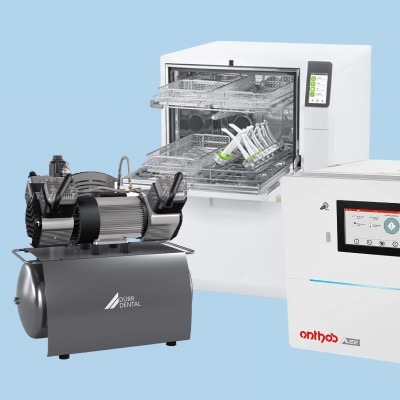)
Dental Equipment
Uncover everything you need for your dental practice, from essential dental equipment to cutting-edge solutions.
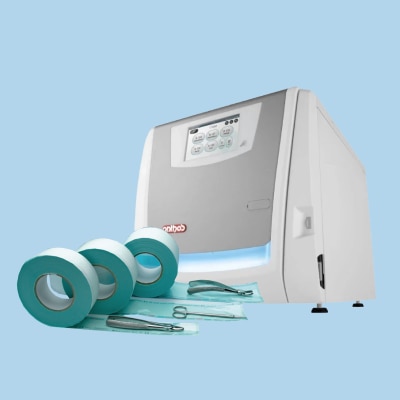)
Decontamination Equipment
Keep your practice running with a seamless dental decontamination workflow.
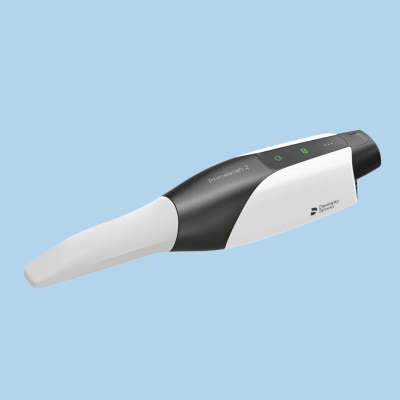)
Digital Equipment
Elevate Your Practice with Same-Day Dentistry: Intraoral Scanning, Chairside Milling and 3D Printing
)
The Future of Dentistry
Industry expert John Maloney from GC discusses the key trends shaping dentistry between now and 2030 and the challenges facing the industry today.
What is a mixed dental practice?


What are the benefits of running a mixed dental practice?
How can I find a balance between NHS and private dental treatments in my mixed dental practice?