


How the BDIA is Shaping the Dental Industry: A Conversation with Chief Executive Edmund Proffitt
The British Dental Industry Association (BDIA) has been at the forefront of supporting and advancing the UK’s dental sector for over 100 years. Its flagship event, BDIA Dental Showcase, remains one of the most significant gatherings for dental professionals and industry suppliers, providing a platform for networking, education, and the latest technological advancements.
This year’s event was particularly noteworthy, featuring distinguished speakers such as Professor Brian Cox and key government representatives. As the industry continues to navigate challenges—including patient access, regulatory changes, and the rapid evolution of digital dentistry—the BDIA remains committed to advocating for its members and shaping the future of dental care. We spoke with Edmund Proffitt, Chief Executive of the BDIA, to gain insights into the association’s role, the latest industry developments, and what lies ahead.

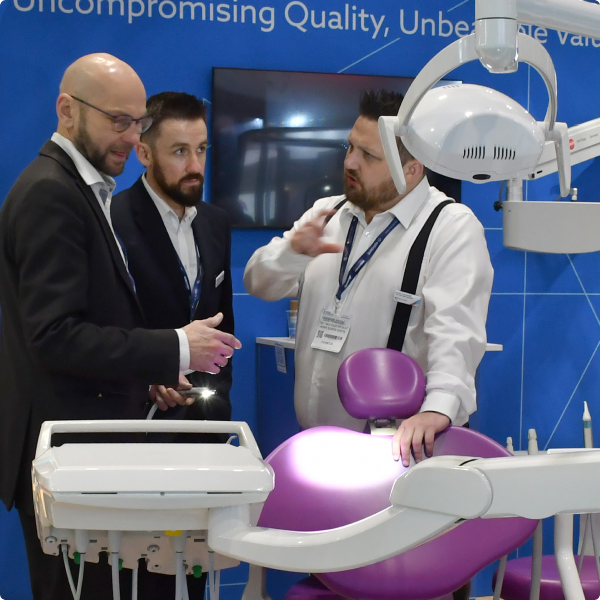
What were the key highlights of this year’s BDIA Showcase?
Edmund Proffitt: One of the standout moments was having both the Minister for Health and Professor Brian Cox at the event.
Their presence added an extra layer of prestige to what was already an incredible gathering, featuring over 150 speakers, lectures, and theatre presentations. Beyond that, the Showcase provided an invaluable opportunity for professionals to explore the latest advancements in dental technology, covering everything from CAD/CAM solutions to new bulk fill restoratives, all aimed at improving patient outcomes.
Additionally, the Minister and Chief Dental Officer helped set the stage for discussions on the challenges facing dentistry, particularly regarding patient access. While the Minister struck an optimistic tone, the real test will be whether this translates into tangible improvements for patients.
How do you see the role of innovation in dental technology evolving?
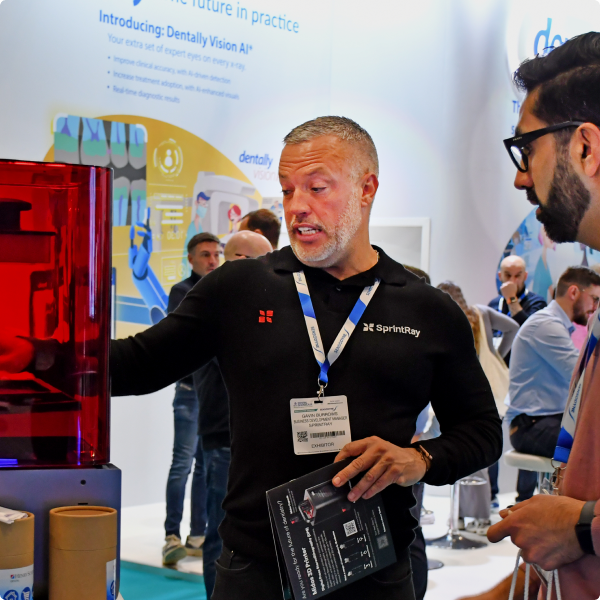
Edmund Proffitt: Innovation has always driven dentistry forward, but in the past decade, we’ve witnessed an explosion in digital advancements.
Increased computing power, enhanced oral scanning technology, and AI-driven solutions are transforming both diagnosis and treatment. AI is particularly promising for its ability to streamline workflows between dentists and dental laboratories, improving efficiency and patient care.
Another key area of development is digital dentures, which have the potential to become a widely viable option, including within the NHS. The ability to harness digital and AI-driven solutions to refine patient pathways, improve diagnostics, and enhance manufacturing processes is where the real transformation is happening.


With the BDIA playing a pivotal role in supporting and shaping the UK’s dental landscape, it’s clear that innovation, education, and advocacy remain at the heart of its mission. As the industry continues to evolve, events like the BDIA Dental Showcase will be crucial in ensuring professionals stay ahead of the curve.
Looking foward...
With the BDIA playing a pivotal role in supporting and shaping the UK’s dental landscape, it’s clear that innovation, education, and advocacy remain at the heart of its mission. As the industry continues to evolve, events like the BDIA Dental Showcase will be crucial in ensuring professionals stay ahead of the curve.
Looking foward...
With the BDIA playing a pivotal role in supporting and shaping the UK’s dental landscape, it’s clear that innovation, education, and advocacy remain at the heart of its mission. As the industry continues to evolve, events like the BDIA Dental Showcase will be crucial in ensuring professionals stay ahead of the curve.
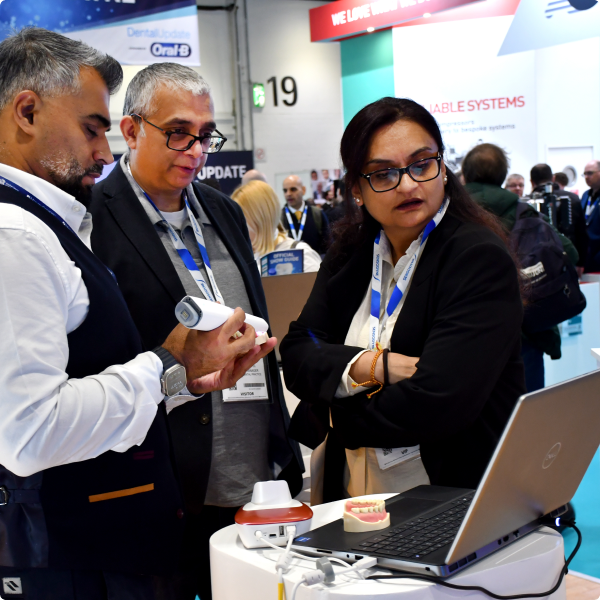
What steps is the BDIA taking to ensure the event remains relevant and valuable?
Edmund Proffitt: The BDIA works closely with its members and Mark Allen Exhibitions to continuously refine and enhance the Showcase.
We actively engage with exhibitors and dental professionals to understand their needs, ensuring we attract the right audience and showcase cutting-edge technologies.
Post-pandemic, there’s been a strong resurgence in demand for in-person events, which proves how important face-to-face interactions and hands-on demonstrations are in our industry. We’re also exploring ways to extend the reach of the event, ensuring it remains a must-attend experience for both dental professionals and suppliers.
How has the pandemic changed things?
Edmund Proffitt: The pandemic was an incredibly difficult period for exhibitions and the wider dental industry, but what we’ve seen since is a real hunger for in-person events.
While it took time to rebuild momentum, we are now seeing attendance figures return to pre-pandemic levels. The necessity of digital advancements during lockdown has also accelerated the adoption of new technologies, making it even more crucial for professionals to attend events like the BDIA Dental Showcase to see these innovations in action.
There's something invaluable about being able to physically see and test new equipment before making an investment, which is something online platforms just can't replicate.
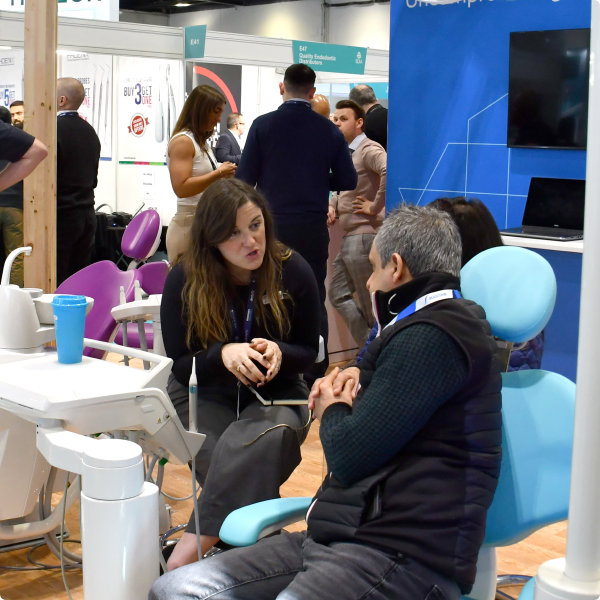

Does the BDIA have any initiatives in place to support dental professionals in staying up to date with the latest industry developments?
Edmund Proffitt: The BDIA primarily focuses on ensuring that the dental industry is informed about regulatory changes, government policies, and broader market developments.
While we don’t provide information and direct training on new technologies to dental professionals —our members are more than capable of doing that—we do work on initiatives that benefit dental professionals.
One of our key public-facing initiatives is promoting BDIA members, who adhere to a strict Code of Practice, ensuring high-quality and compliant products. Another major initiative is our work to combat counterfeit and non-compliant dental products, an issue that continues to affect the profession. We are currently developing a short video module in collaboration with the GDC, CQC, and other dental organisations to help professionals better understand dental device regulations and how to spot non-compliant products.
How is a growing focus on environmental issues shaping the industry?
Edmund Proffitt: Sustainability is an evolving priority for the industry. There are a number of regulations coming into effect regarding packaging waste and environmental responsibilities, and the BDIA plays a role in keeping members informed about these changes. Some companies, including Henry Schein, are leading the way in terms of carbon reduction initiatives.
However, sustainability efforts vary across the industry, and while many companies are taking steps to reduce their environmental impact, these initiatives can sometimes be commercially sensitive. The NHS, for example, has clear carbon-zero targets for 2050, which will undoubtedly shape procurement and supply chains, and private sector companies are approaching sustainability in ways that align with their individual business strategies. Our role is to ensure that our members have access to the latest information so they can make informed decisions on their environmental policies.

Enquire now
Ready to buy new equipment? Speak with our expert sales team today.Share


You May Also Like
;)
The Restoration Workflow
Discover Henry Schein solution for a seamless restorative workflow, enabling you to complete strong and long-lasting dental restorations every time.

;)
Upcoming UDA Changes
From 1 April 2026, the current UDA system is changing. Learn what this means for NHS dentists, and ensure your practice is prepared for the future.
;)
Recruitment Made Easy
Discover how you can save time and effort when recruiting, with specialist support from Henry Schein Dental Recruitment.
;)
Guide To The Endodontic Workflow
Ensure your endodontic treatments are well rounded and reliable with our complete step-by-step guide of the endodontic workflow, created to help you achieve the best outcomes for your patients.
;)
R-Dental Testimonial
Dr Meena Ranka shares how Henry Schein helped her transform her three-surgery dental practice with equipment, consumables, software, and dedicated support.
;)
Tackling Tooth Wear
Protect your patients’ smiles by understanding the early signs of tooth wear, and how effective, long-term solutions from GC can help treatment and prevention.
;)
Teledentistry
Discover how teledentistry can encourage more patients through your virtual door, with the help of cloud-based practice management software like Dentally.
;)
Tackling Musculoskeletal Pain
Discover why so many dental professionals struggle with work-related musculoskeletal pain, and what you can do to address it.
;)
Shopping With Henry Schein
Learn why dental professionals across the globe choose Henry Schein as their trusted healthcare solutions provider, for more than just dental supplies.
;)
Supplies Made Simple
Find all your essential dental consumables plus the latest equipment at Henry Schein, for a convenient and time-saving shopping experience.
;)
Henry Schein CEO Announcement
Henry Schein announces Frederick M. Lowery, an industry veteran bringing more than 20 years of healthcare distribution experience and operational excellence, as Chief Executive Officer.
;)
Reclaiming The Whitening Market
Keep your patients safe and informed by educating them on the risks of illegal tooth whitening, and encouraging them to seek regulated alternatives instead.